







Most people have experienced that awkward moment when they cannot find the right word, even though it feels like it is sitting right there in their head. Usually, it passes in a few seconds. When communication problems become frequent or severe, though, everyday life can become much harder than most people realize.
Over the years, speech and language health has often been treated as a niche concern, something that only affects a small group of people. In reality, communication touches almost every part of daily life, from school and work to relationships and healthcare. When speech or language is affected, the impact tends to spread much further than people expect.
Understanding the Impact of Communication Disorders
Communication is one of those abilities that people rarely think about until something interrupts it. Children use it to learn in school. Adults depend on it at work. Older adults rely on it to maintain independence and stay connected with family and friends. Yet communication challenges often receive less public attention than many other health concerns.
As awareness grows, more students are becoming interested in careers that focus on communication disorders and related health needs. These professionals work with people facing a wide range of challenges, including developmental delays, speech difficulties, language disorders, and swallowing problems. The work sits at an interesting intersection of healthcare, education, and human connection.
That growing interest has also led many prospective students to consider majors for speech language pathology. Understanding the educational pathways into the field helps students see how communication health is supported through clinical knowledge, assessment skills, and direct patient care. The increasing visibility of these programs reflects a broader recognition that communication plays a central role in overall well-being.
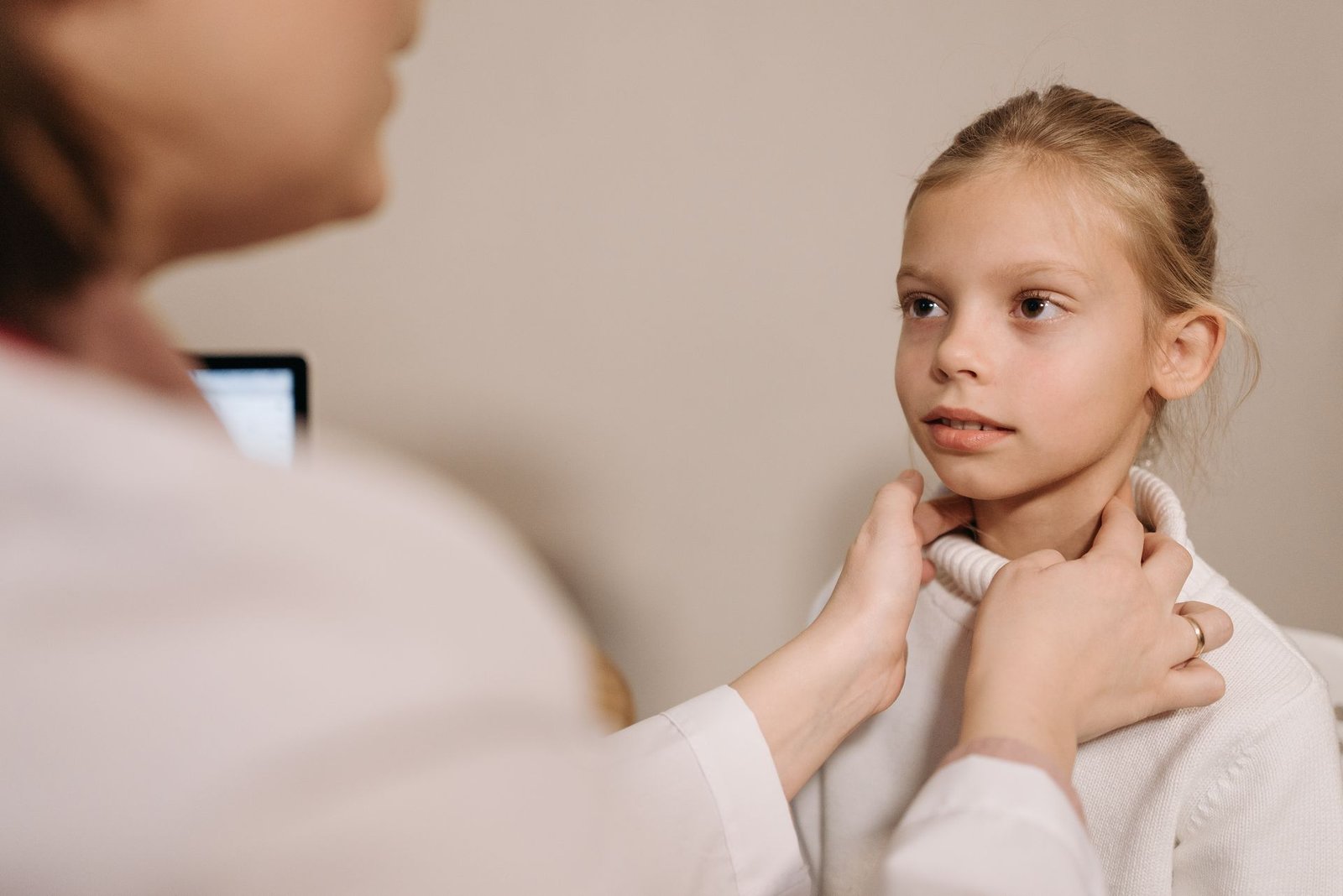
Communication Shapes Daily Life More Than We Notice
People often associate health with physical symptoms. If a person breaks a bone, develops a fever, or experiences chronic pain, the problem is usually visible. Communication difficulties can be different. They are often less obvious, particularly in the early stages.
A child struggling to express thoughts may appear shy or distracted. An adult dealing with language difficulties after a medical event may seem withdrawn. In some cases, people simply stop participating in conversations because speaking has become frustrating.
The effects can spread quietly through different areas of life. Academic performance may suffer. Workplace confidence can decline. Relationships can become strained. Communication is so deeply woven into everyday routines that disruptions are often felt everywhere at once. This is one reason speech and language health deserves more attention than it sometimes receives. The consequences are rarely limited to communication itself.
The Connection Between Communication and Mental Well-Being
Communication affects emotional health in ways that are easy to overlook. When people cannot clearly express their thoughts, needs, or concerns, frustration tends to build over time. Social situations may become stressful. Isolation can increase. Even routine interactions can start to feel exhausting. Children are particularly vulnerable because communication challenges can affect confidence during critical stages of development. School becomes more complicated when a student struggles to understand instructions or participate in discussions. Those experiences can shape how a child views learning and social interaction for years.
Adults face their own challenges. Workplace communication often influences career opportunities, collaboration, and professional relationships. When communication becomes difficult, stress levels can rise even if the underlying issue is not immediately recognized. Mental health and communication are not the same thing, of course. Still, they are connected more often than people assume.
Aging Populations Are Creating New Challenges
Another reason this topic deserves attention is demographic change. Populations in many countries are aging, and communication-related conditions often become more common later in life. Strokes, neurological disorders, hearing loss, and cognitive changes can affect speech and language abilities. As healthcare systems adapt to these realities, the demand for communication-focused services is expected to grow.
Families frequently encounter these issues with little preparation. A loved one may suddenly struggle to find words, follow conversations, or communicate basic needs. These situations can be emotionally difficult for everyone involved.
Support from trained professionals can make a significant difference. Early intervention, structured therapy, and ongoing support often help individuals maintain communication abilities and preserve quality of life. The challenge is that many people do not seek help immediately because they do not recognize communication changes as health concerns.
Technology Has Changed Communication, but Not Always for the Better
Modern technology has transformed how people communicate. Messages can be sent instantly. Video calls connect families across long distances. Information moves faster than ever. At the same time, some communication skills are receiving less practice in daily life. Short messages, abbreviated responses, and digital interactions have become common. While these tools provide convenience, they do not fully replace face-to-face communication.
This shift is not necessarily harmful by itself. It does, however, highlight the importance of understanding how communication develops and functions. Strong speech and language skills remain essential regardless of how technology evolves. Healthcare providers, educators, and families are increasingly recognizing that communication deserves active support rather than passive assumption.
Why Early Intervention Matters
People often assume communication challenges will improve on their own, especially in young children. Sometimes they do, but sometimes important warning signs are missed because concerns are dismissed as temporary phases. Early identification can make a significant difference. When speech or language difficulties are recognized and addressed sooner rather than later, individuals often gain access to support that helps them build stronger communication skills over time.
This is true not only for children but also for adults recovering from strokes, injuries, or other medical conditions. Waiting too long can allow challenges to become more deeply rooted, making intervention more difficult and, in some cases, less effective.
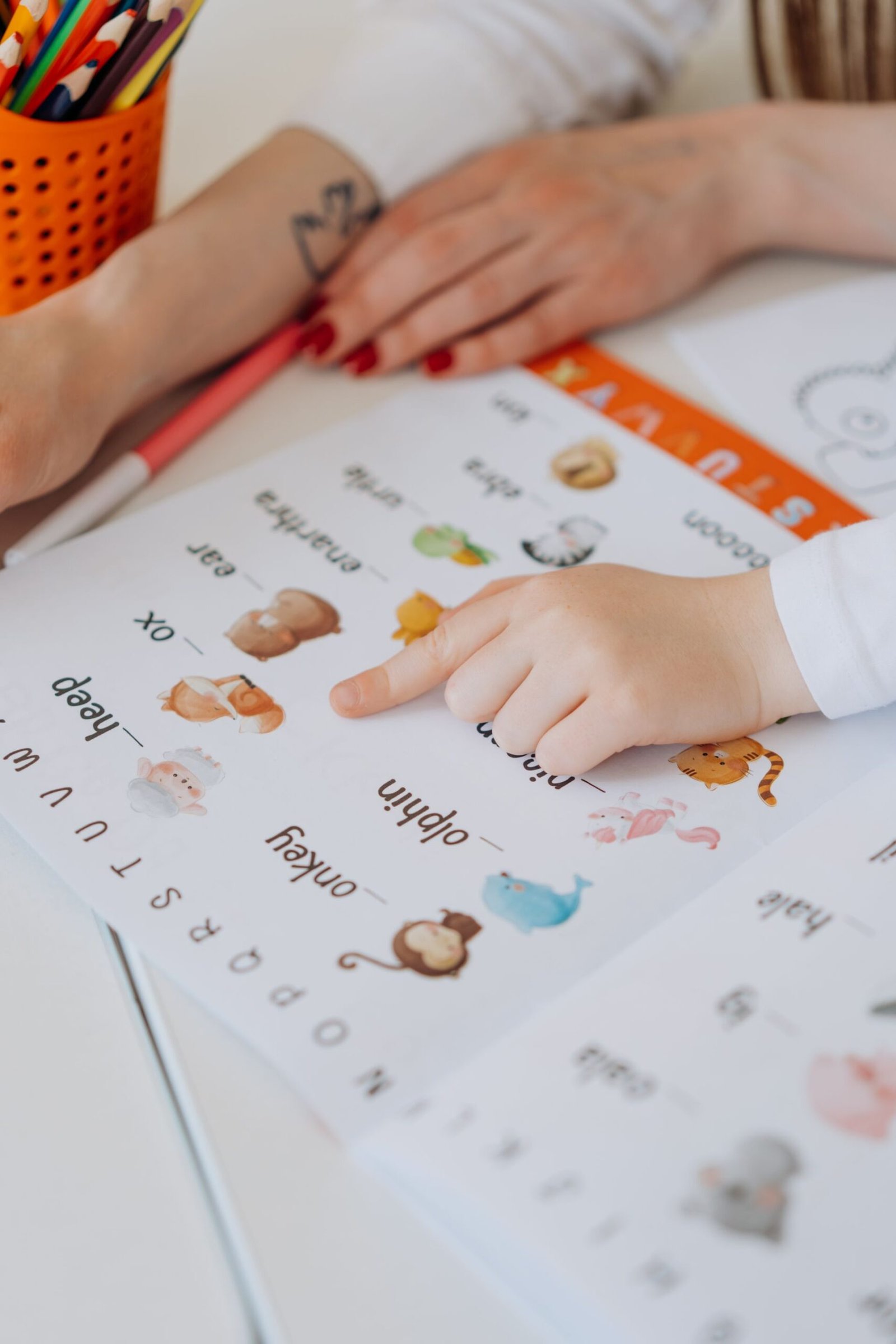
A Health Issue That Touches Every Stage of Life
Few health topics affect people across the entire lifespan in quite the same way. Communication begins shaping development during early childhood and continues influencing education, employment, healthcare experiences, and social relationships throughout adulthood. Speech and language health is not limited to one age group, one condition, or one setting. It affects children learning their first words, professionals navigating workplace conversations, and older adults maintaining independence.
That broad impact explains why awareness is gradually increasing. Communication may feel effortless when everything is working well, but it becomes impossible to ignore when challenges arise. Giving speech and language health more attention is not about elevating one healthcare issue above another. It is about recognizing how fundamental communication is to nearly every part of human life and understanding that when communication is supported, many other aspects of well-being benefit as well.