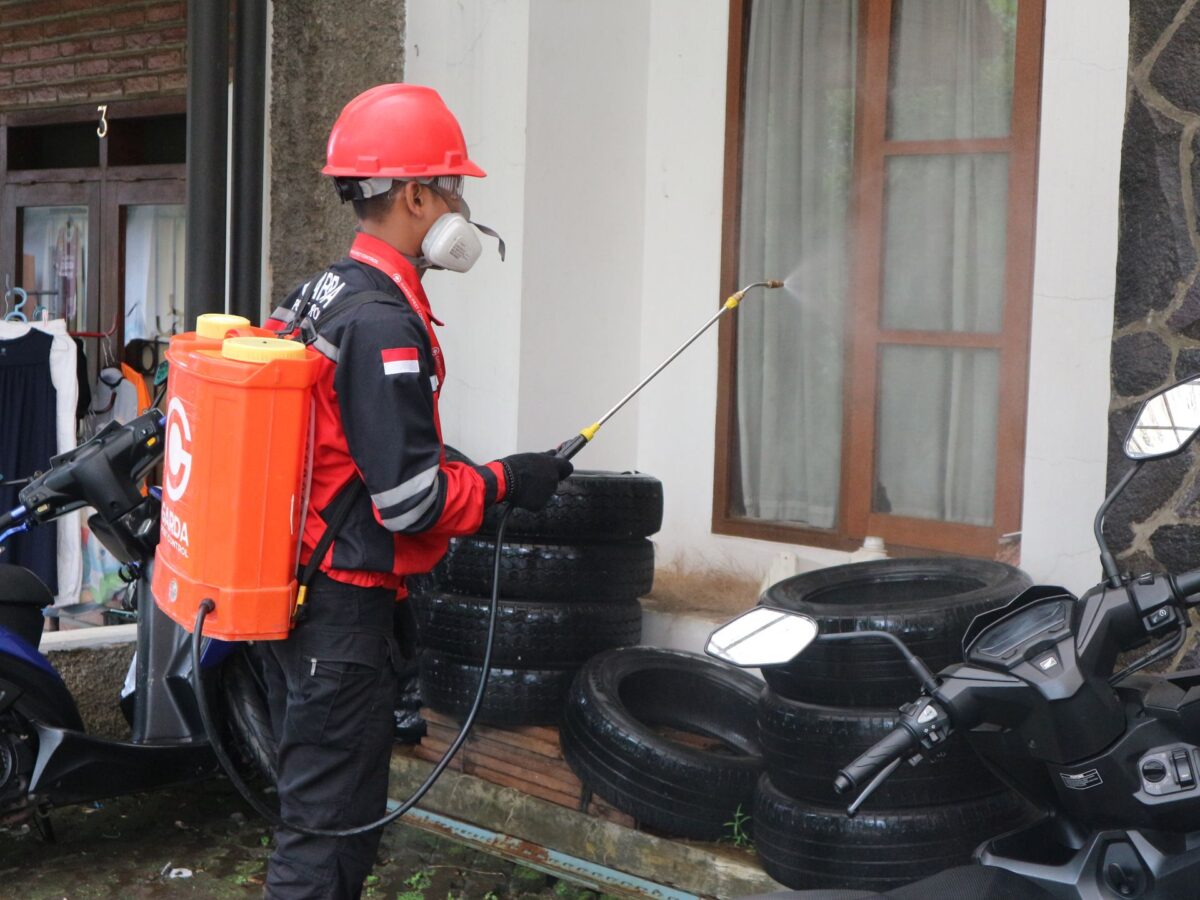

Your home should feel comfortable, not like a shared rental with ants, spiders, or the occasional mouse with questionable boundaries. Pest problems are also more common than many homeowners realize. In one Virginia study of apartment residents, 90% of the 151 people surveyed reported seeing oriental cockroaches, and 77% had taken steps to control them.
For homeowners in Glen Allen, Virginia, changing seasons, wooded surroundings, and moisture can all create conditions that make it easier for household pests to find food, water, or shelter. Virginia Cooperative Extension notes that several cockroach species are closely associated with homes because indoor spaces can provide warmth, accessible food and water, and abundant hiding places. Keeping pests out therefore takes more than a can of spray and good intentions. It takes a smarter plan built around prevention, maintenance, and early action.
Know Which Pests Are Most Likely to Show Up
You can’t fix a pest problem well if you don’t know what’s actually causing it. In many homes, the regular troublemakers include ants, cockroaches, spiders, rodents, termites, mosquitoes, and stinging insects.
Each one behaves differently. Ants often follow food and moisture. Mice look for warmth, shelter, and easy access to crumbs. Termites stay out of sight and quietly go to work on wood.
Glen Allen’s climate makes things interesting. Warm summers, rainy stretches, and mild shoulder seasons give pests more chances to breed and move indoors.
A few warning signs deserve quick attention:
– Droppings in cabinets, attics, or garages
– Mud tubes near your foundation
– Gnawed food packaging or wires
– Musty odors in hidden spaces
– Scratching sounds behind walls at night
Spotting the pattern early can save you from a much bigger headache later.
Understand When DIY Stops Being Enough
Store-bought traps and sprays can help with small, isolated problems. They usually work best when the infestation is minor, the pest is easy to identify, and the source is obvious.
The problem starts when DIY turns into a cycle. You spray, pests vanish for a week, and then they return like they forgot their charger. That often means the nest, colony, or entry route hasn’t been addressed.
Some pests also carry bigger risks. Termites can damage structural wood. Rodents can contaminate food and spread disease. Wasps can become dangerous when nests grow near entryways or play areas.

In those cases, professional treatment makes more sense. If you’re dealing with recurring infestations, hidden activity, or pests that can cause property damage, pest control services in Glen Allen can help you identify the source, treat the issue properly, and set up ongoing protection.
That approach tends to be cheaper than repeated trial and error.
Seal the Easy Entry Points Before Pests Move In
Most pests don’t arrive by magic. They use gaps, cracks, torn screens, and poorly sealed doors like tiny VIP entrances. Start with a walk around your home’s exterior. Look closely at the foundation, window frames, roofline, vents, and utility openings. Even a small crack can be enough for ants or spiders, while mice can squeeze through spaces that seem almost absurdly small.
Use weatherstripping around doors, repair damaged screens, and seal gaps with caulk where appropriate. If you find holes around pipes, use durable materials that can handle moisture and wear.
Pay attention to garages and basements. They’re often less finished, less inspected, and more inviting to pests.
Keep these prevention basics in mind:
– Close gaps under exterior doors
– Repair loose siding and trim
– Screen attic and crawl space vents
– Check for openings where cables enter the house
A sealed house won’t be pest-proof, but it will be much harder to invade.
Cut Off Food and Water Sources Inside the House
Pests stay where survival is easy. If your home offers snacks and water, they’ll settle in fast.
Your kitchen is the main hotspot. Wipe counters daily, sweep floors, and store dry goods in sealed containers. Pet food can also attract ants, roaches, and rodents, especially if bowls sit out overnight.
Water matters just as much as food. Leaky pipes, damp basements, condensation under sinks, and clogged gutters create ideal conditions for bugs that love moisture. Roaches and silverfish, in particular, treat humidity like a standing invitation.
Simple habits go a long way:
– Empty trash regularly and use a fitted lid
– Clean under appliances where crumbs collect
– Fix plumbing leaks quickly
– Avoid leaving dirty dishes overnight
– Dry out sinks and tubs when possible
This part isn’t glamorous, but pest prevention rarely is. Think less home makeover, more strategic denial of resources.
Pay Attention to the Bigger Impact on Health and Home Value
Pests are more than a nuisance. They can affect indoor air quality, sanitation, peace of mind, and even resale value.
Rodents and cockroaches may trigger allergies or asthma symptoms. Termites can weaken structural materials without obvious surface damage. Bed bugs, while not tied to cleanliness, can cause stress, lost sleep, and a truly miserable week.
If you ever plan to sell your home, a history of unresolved pest issues can raise red flags during inspections. Buyers notice damaged wood, droppings, odors, and signs of neglect. Even if the issue has been fixed, evidence of poor maintenance can make people nervous.
Taking pest prevention seriously protects more than your comfort. It supports the condition of your property and the health of the people living there.
That makes it a maintenance issue, not just an occasional annoyance.
Make Smart Decisions Early Instead of Expensive Ones Later
You don’t need to become a pest expert to keep your home in good shape. You just need to stay observant, handle small vulnerabilities quickly, and know when to bring in help.
The U.S. Environmental Protection Agency recommends an integrated pest management approach that focuses on monitoring, prevention, and targeted control instead of relying only on routine pesticide use. That means paying attention to the conditions pests need—food, water, shelter, and access—and addressing those problems before they become harder to manage.
Sealing entry points is another practical step. The Centers for Disease Control and Prevention advises homeowners to inspect for gaps and holes around doors, windows, pipes, utility lines, foundations, and other potential entry points, then seal them to help prevent rodents from getting indoors.
Moisture and food sources deserve the same attention. Repair leaks quickly, keep food and garbage securely stored, clean spills and crumbs promptly, and watch outdoor areas where clutter or vegetation may provide shelter.

That kind of steady prevention is what keeps minor issues from becoming full-blown infestations.
Your home doesn’t have to be perfect. It just has to be less inviting to pests than the alternatives outside. For most bugs and rodents, convenience is everything. Once you take that away, you make it much harder for them to settle in.