






Many homeowners in Springfield spend their savings on statement pieces, only to find that the house still feels hard to live in. A gold-trimmed mirror or an imported light fixture can look impressive on the first day, but it does nothing to fix a cramped hallway, a cluttered kitchen, or a room that is awkward to move through.
Functional design takes a different approach. It starts with how people actually use each space and builds every choice around comfort, safety, and ease. When a home works well, it feels better every single day, and that value lasts far longer than any passing trend.
Why Everyday Needs Should Guide Home Upgrades
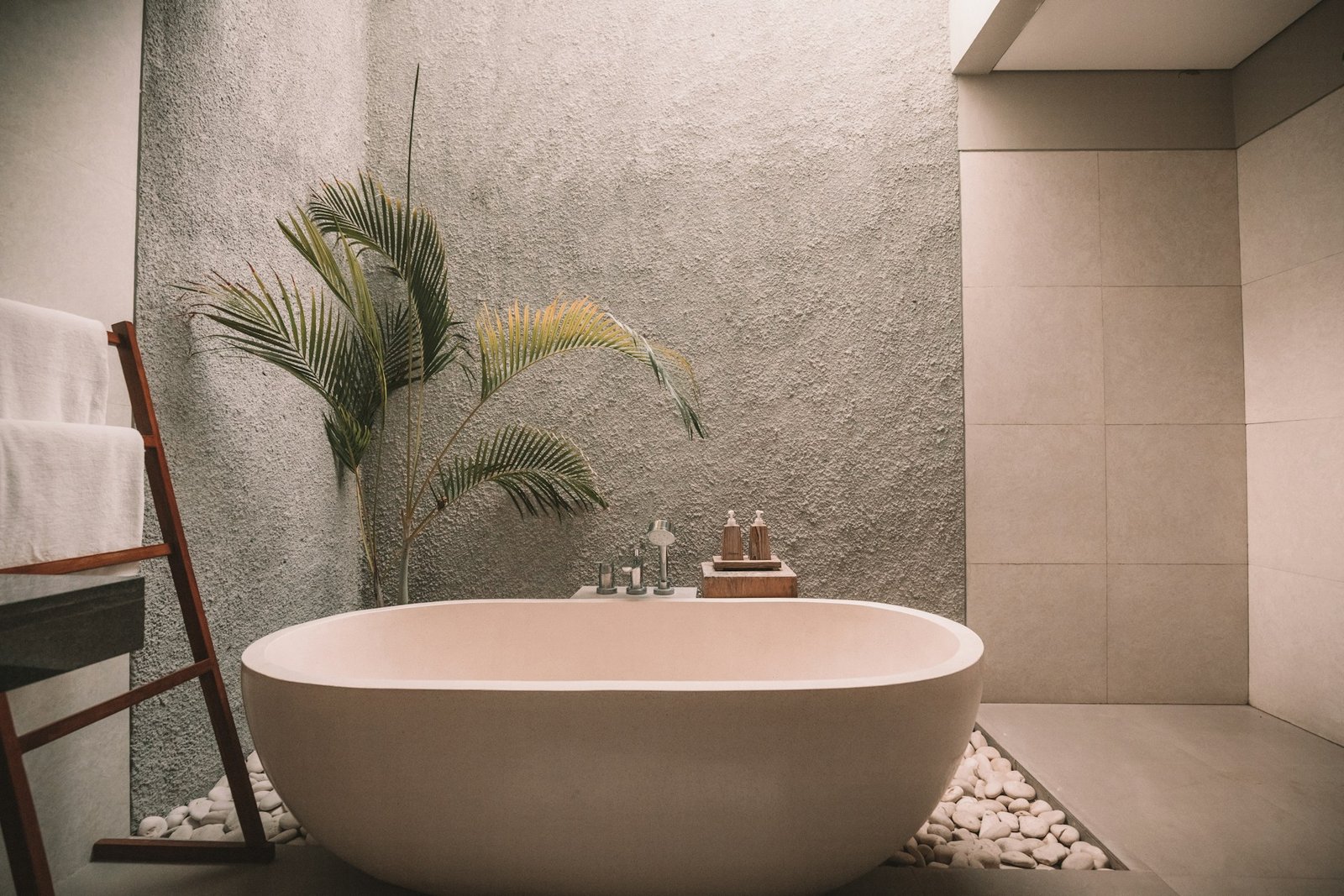
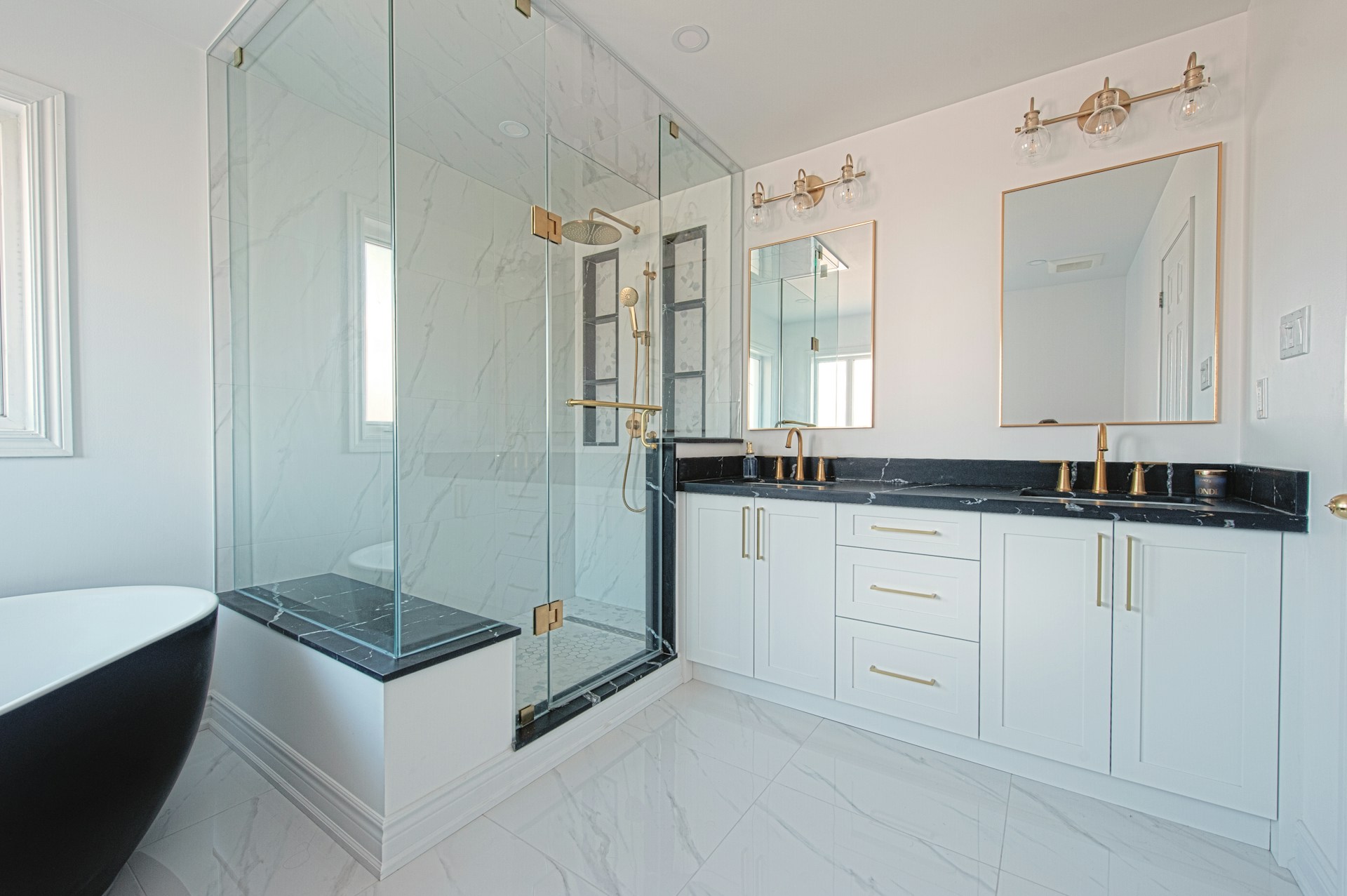
Of all the rooms in a house, the ones used most often tend to show their weak points first. A bathroom with a cramped layout, a tub nobody uses, or a high step that makes bathing risky can quietly make every morning harder. Remodeling that space around the way the household actually lives is often the most practical fix. Get in touch with a local Springfield bathroom remodeler that can replace worn tubs, fit custom showers, and convert an unused tub into a shower, often in as little as one day. Practical changes like these make the space safer and simpler to keep clean without chasing costly trends.
How Thoughtful Layouts Make Daily Routines Easier
A good layout is the foundation of a home that works. When rooms are arranged with care, people can move from one task to the next without bumping into furniture, walking in circles, or squeezing through tight gaps. In a kitchen, for example, keeping the sink, stove, and fridge within easy reach saves countless steps while cooking.
Layout also affects how a family spends time together. An open plan can make it easier for parents to keep an eye on children while preparing meals. A quiet corner set aside for reading or homework gives each person a place to focus. These choices cost very little compared with luxury finishes, yet they shape how the home feels from morning to night.
Durable Materials Save Time and Effort
Expensive does not always mean durable. Some high-end surfaces stain easily, scratch at the slightest touch, or need special cleaners to stay looking good. Over time, the effort required to maintain them can turn a dream feature into a daily chore.
Functional design favors materials that hold up to real life. Surfaces that resist chips, cracks, and stains stay attractive for many years with simple care. Flooring that handles spills and heavy foot traffic is a smarter choice for busy households than delicate wood or soft stone.
Designing a Home That Supports Every Age
A home should serve the people living in it today and in the years ahead. Young children, older parents, and anyone recovering from an injury all have different needs. Functional design plans for these changes instead of waiting for a problem to appear.
Simple features can make a big difference. Grab bars in the right places offer support without looking out of place. Low or level entries remove the need to step over high edges. Non-slip surfaces reduce the chance of a fall in areas that often get wet. Lever handles are easier to use than round knobs for anyone with a weak grip.
These details rarely appear in glossy design magazines, but they give families peace of mind.
Storage That Keeps Clutter Under Control
Clutter is one of the main reasons a home feels stressful. Even the most beautiful room looks messy when every surface is covered with everyday items. Good storage solves this problem by giving each object a clear and convenient place.
Built-in shelves, deep drawers, and cabinets that reach the ceiling make use of space that would otherwise go to waste. Pull-out organizers inside cupboards make it easy to find what you need without emptying everything onto the counter.
The key is to plan storage around habits. Items used daily should sit within easy reach, while seasonal things can go higher up or further back. When storage matches the way a household lives, tidying up becomes quick and natural, and the home stays calm without constant effort.

Lighting and Airflow That Improve Comfort
Light and fresh air have a strong effect on how a room feels. A space with poor lighting can seem gloomy and cramped, no matter how expensive the furniture. Natural light from windows and skylights brightens a room for free and makes it feel larger and more welcoming.
Artificial lighting should be planned in layers. General ceiling lights fill the room, task lights help with reading or cooking, and softer lamps create a relaxed mood in the evening.
Airflow matters just as much. Good ventilation quickly removes steam, cooking smells, and stale air, which helps prevent mold and keeps the home healthier. Windows that open easily, quiet exhaust fans, and well-placed vents all support a fresher indoor space.
Why Decorative Extras Rarely Hold Their Value
Design trends come and go very quickly. A bold wallpaper, an ornate chandelier, or a designer faucet that looks stylish now may feel dated in a few years. When that happens, homeowners often spend even more money replacing features they once paid a premium for.
Functional improvements age far more gracefully. A sensible layout, sturdy surfaces, safe entries, and smart storage stay useful no matter how tastes change. They also appeal to future buyers, who tend to care more about a home that works well than one filled with someone else’s personal style.
This does not mean decoration has no place. Personal touches make a house feel like home. The smart approach is to get the basics right first, then add decorative items that are easy and affordable to change. Paint, cushions, artwork, and rugs can refresh a room whenever you like, while the solid, practical choices underneath continue to serve the household for many years.