
Interest in THCA has grown steadily over the past few years, driven largely by curiosity about hemp-derived compounds and how they differ from more familiar cannabinoids. As more people research this space, questions about pricing, sourcing, and market trends have become just as common as questions about the compound itself.
This article takes a research-focused look at THCA, why pricing patterns shift throughout the year, and what factors typically influence cost in the hemp product market. The goal is educational: understanding the landscape, not promoting any specific product.
What Is THCA and Why Does It Matter in Hemp Research
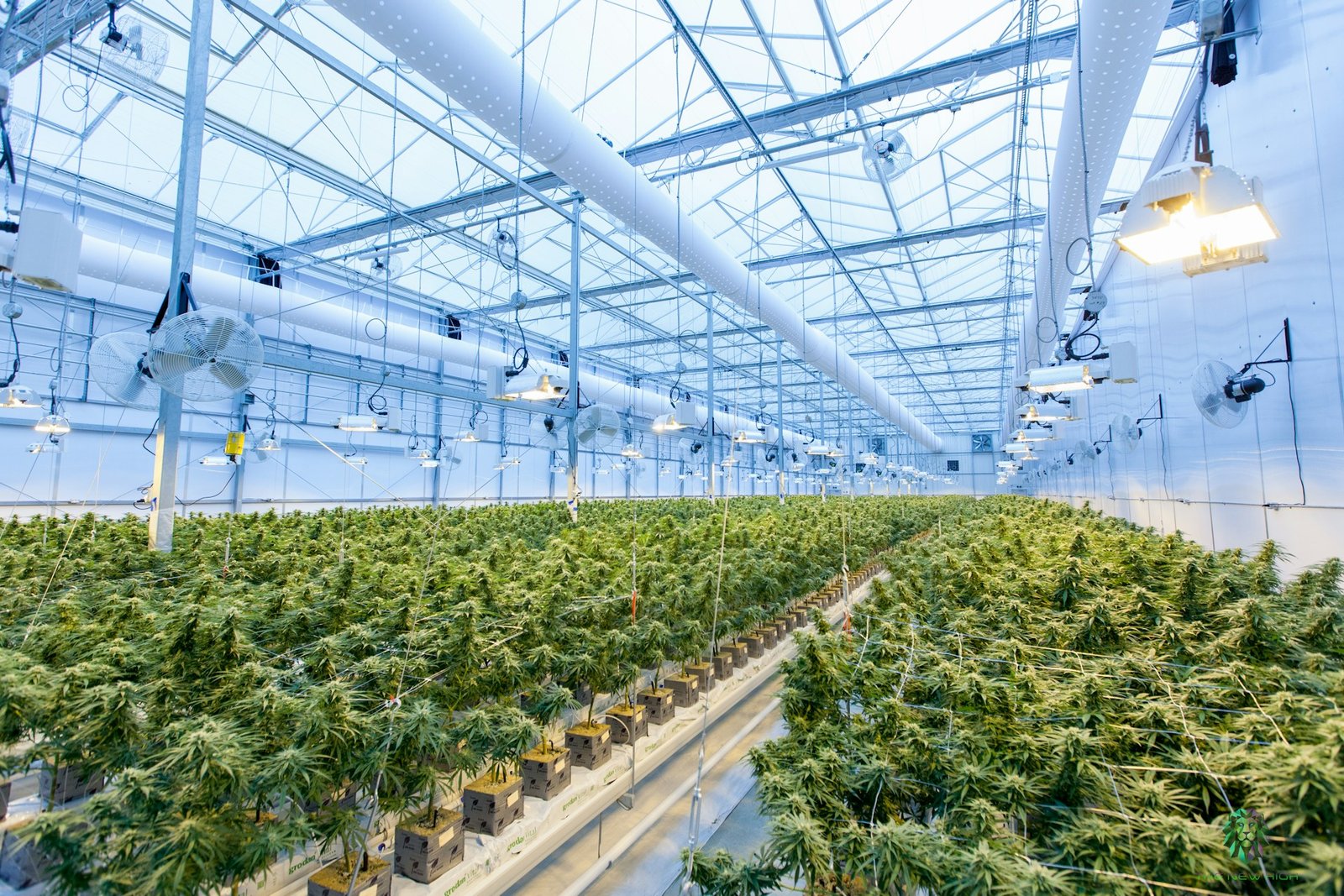
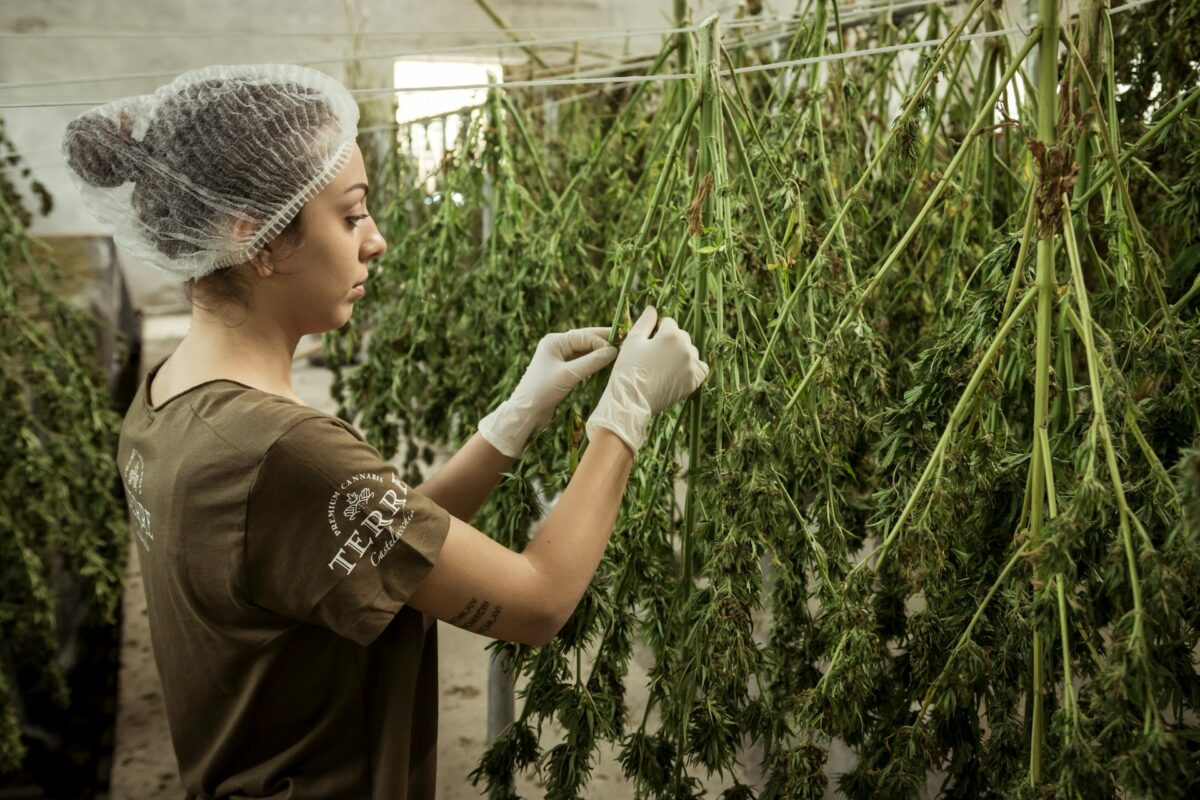
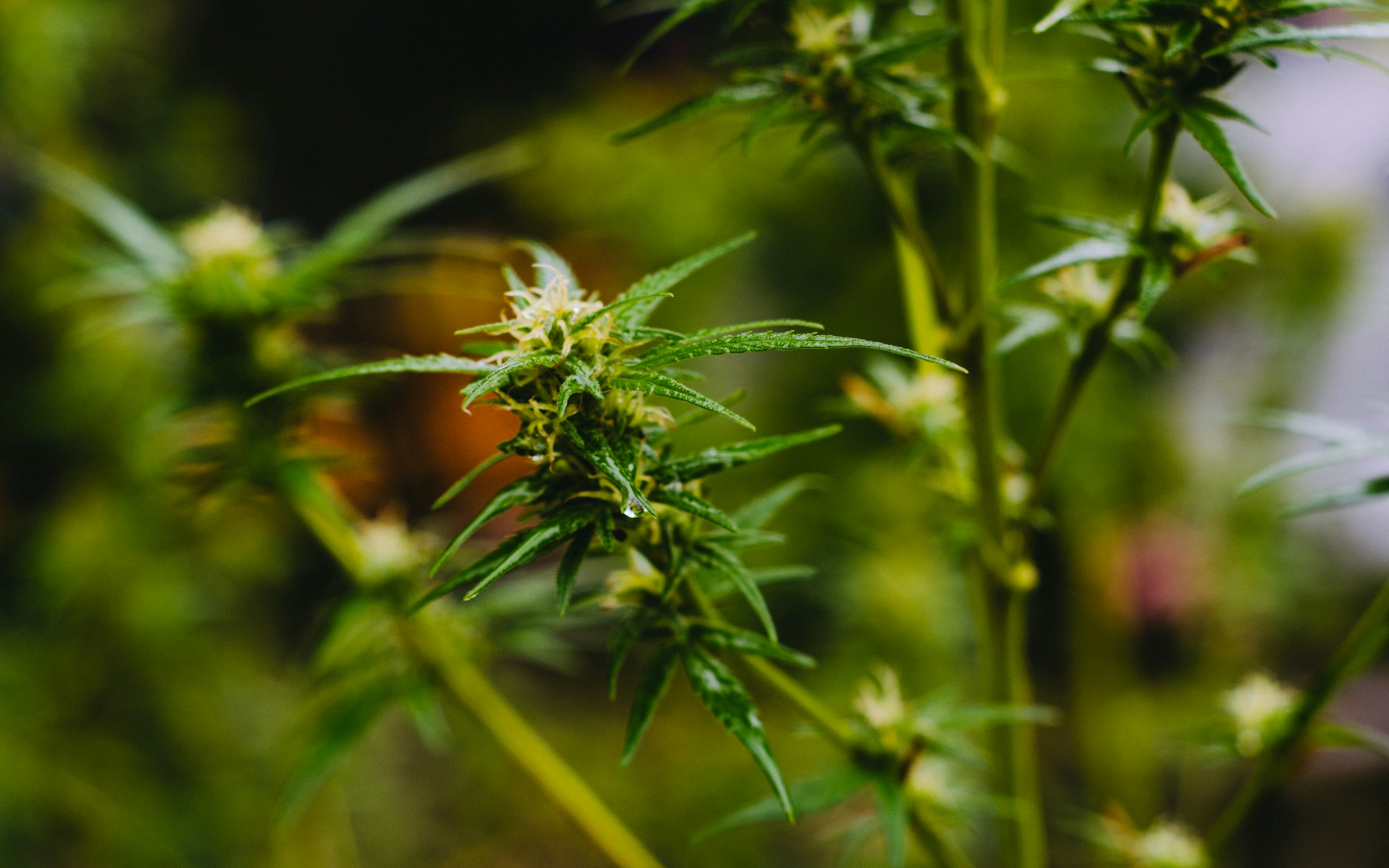
THCA, or tetrahydrocannabinolic acid, is a naturally occurring compound found in raw and live hemp plants. It is chemically distinct from THC and exists in the plant before any heat-based conversion process occurs.
Researchers and analytical chemists study THCA because it offers insight into how cannabinoids form and change under different conditions. This makes it a useful subject for lab-based analysis, particularly in discussions about plant chemistry and hemp compound stability.
Because THCA is structurally different from THC, it is often categorized separately in scientific literature and regulatory discussions. This distinction matters for anyone trying to understand hemp-derived compounds accurately.
Understanding Market Pricing Trends for Hemp Compounds
Pricing in the hemp industry, including products associated with THCA, tends to fluctuate based on several factors:
- Seasonal harvest cycles affecting raw material supply
- Regional hemp cultivation regulations
- Extraction and testing costs
- Market demand shifts tied to consumer research trends
- Packaging, transportation, and compliance expenses
These variables combine to create pricing patterns that shift throughout the year. Clearance periods, often seen at the end of a fiscal quarter or during inventory turnover, are a normal part of how many hemp-related markets operate. This is not unique to any single compound category.
Understanding these market mechanics helps consumers interpret pricing information more critically, rather than assuming price alone reflects quality or safety.
Why Consumers Research Cost-Effective Options
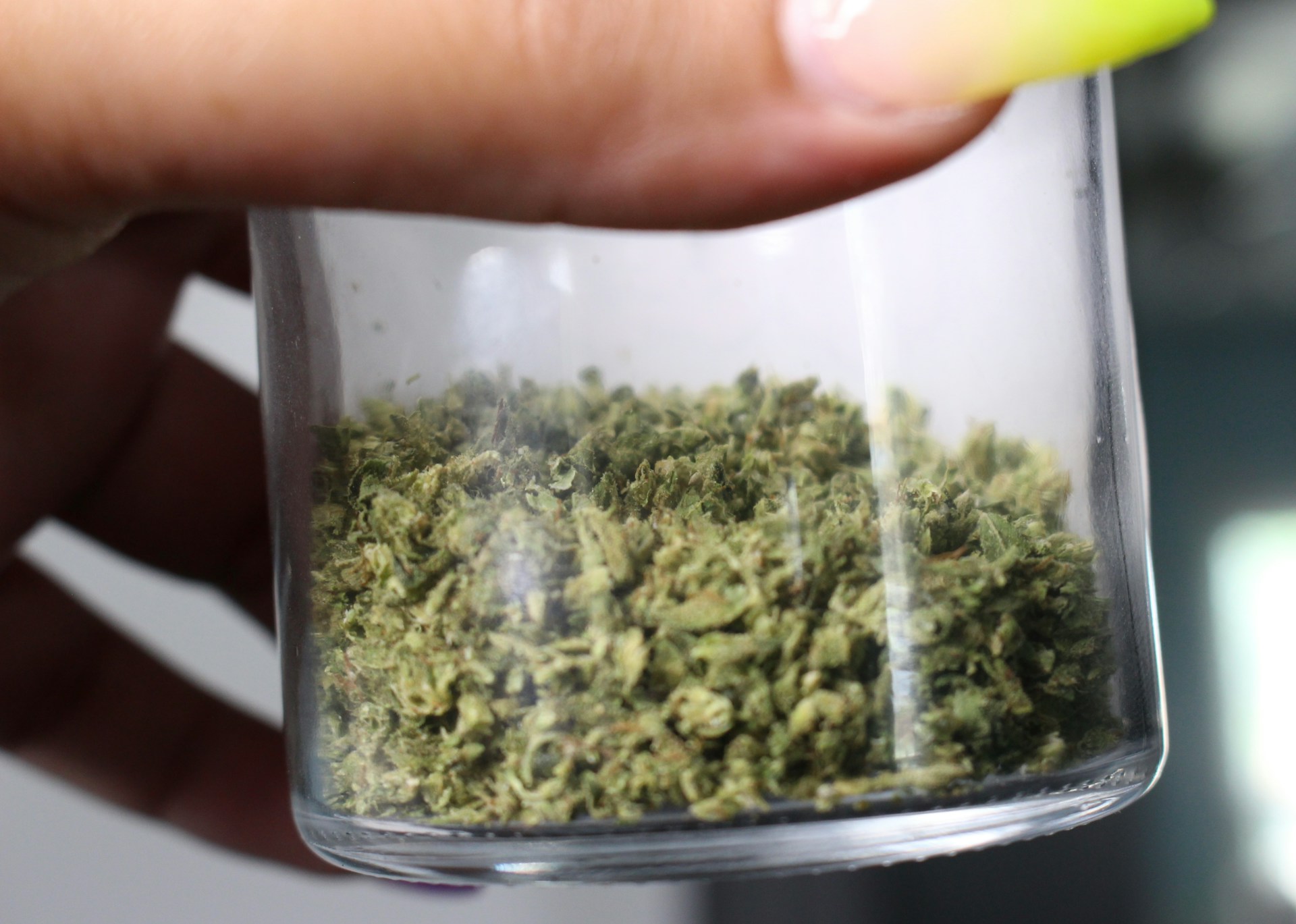
People often look for lower-cost options when exploring new product categories, and hemp-derived compounds are no exception. This behavior is consistent with general consumer research patterns seen across many industries.
However, cost should never be the only factor considered. Reputable educational platforms encourage looking at:
- Third-party lab testing availability
- Transparency in sourcing information
- Compliance with regional hemp regulations
- Clear labeling practices
For readers who want to understand how pricing structures work within this niche market, resources like Buy Cheap THCA illustrate how clearance-style pricing models are typically presented, offering a real-world example of how seasonal market shifts influence consumer-facing listings.
The Role of Lab Testing and Analytical Verification
Laboratory testing plays a central role in hemp compound research. Analytical chemists use methods such as high-performance liquid chromatography (HPLC) to measure cannabinoid concentrations accurately, including THCA levels in raw plant material.
This type of testing is essential for:
- Verifying compound identity
- Ensuring consistency across batches
- Supporting regulatory compliance
- Providing transparency for researchers and educators
Peptide-based analytical standards are sometimes referenced in laboratory settings when calibrating testing equipment, though this remains strictly within scientific and analytical research contexts rather than consumer use.
Understanding the testing process helps demystify how hemp products, including those discussed in clearance or discount pricing conversations, are evaluated before reaching the market.
Why Analytical Transparency Builds Trust
When companies publish lab results openly, it supports Google’s E-E-A-T principles by demonstrating expertise, authoritativeness, and trustworthiness. This transparency is increasingly expected by both regulators and informed consumers.
Responsible Research Considerations
Anyone researching THCA or related hemp compounds should approach the topic with a critical, evidence-based mindset. This includes:
- Reviewing regional legal status before drawing conclusions
- Cross-referencing information with scientific literature
- Avoiding reliance on marketing claims alone
- Recognizing that pricing trends, including clearance-style deals such as those referenced through Buy Cheap THCA, are shaped by supply chain factors rather than product efficacy
Educational literacy in this space continues to grow as more academic and regulatory bodies publish updated hemp compound research.
Conclusion
THCA remains a compound worth understanding from a scientific and market perspective. As hemp-derived product categories continue to evolve, pricing trends, lab testing standards, and regulatory clarity will likely shape how this space develops in 2026 and beyond.
Approaching this topic with curiosity and a research-first mindset, rather than assumptions based on marketing language, leads to a more accurate understanding of the hemp compound landscape.
Frequently Asked Questions
- What makes THCA different from THC?
THCA is the raw, acidic form of the compound found in hemp before it undergoes a heat-based conversion process. THC forms as a result of that conversion. - Why does hemp product pricing change throughout the year?
Pricing shifts due to harvest cycles, regional regulations, testing costs, and general market demand, similar to other agricultural-based industries. - How is THCA measured in a laboratory setting?
Analytical chemists typically use methods like HPLC to identify and quantify cannabinoid concentrations, including THCA, in plant material. - Is THCA legal everywhere?
Legal status varies by region and depends on evolving hemp regulations. It’s important to review local laws before drawing any conclusions. - Why is third-party lab testing important in this industry?
Lab testing verifies compound identity and consistency, supporting transparency and regulatory compliance across the hemp market.
External References
- National Institutes of Health (NIH) – Cannabinoid Research Overview
- PubMed – Peer-Reviewed Studies on Hemp Compound Chemistry
- National Institute of Standards and Technology (NIST) – Analytical Testing Standards
- ScienceDirect – Cannabinoid Extraction and Stability Research
- World Health Organization (WHO) – Cannabis and Cannabinoid Reports