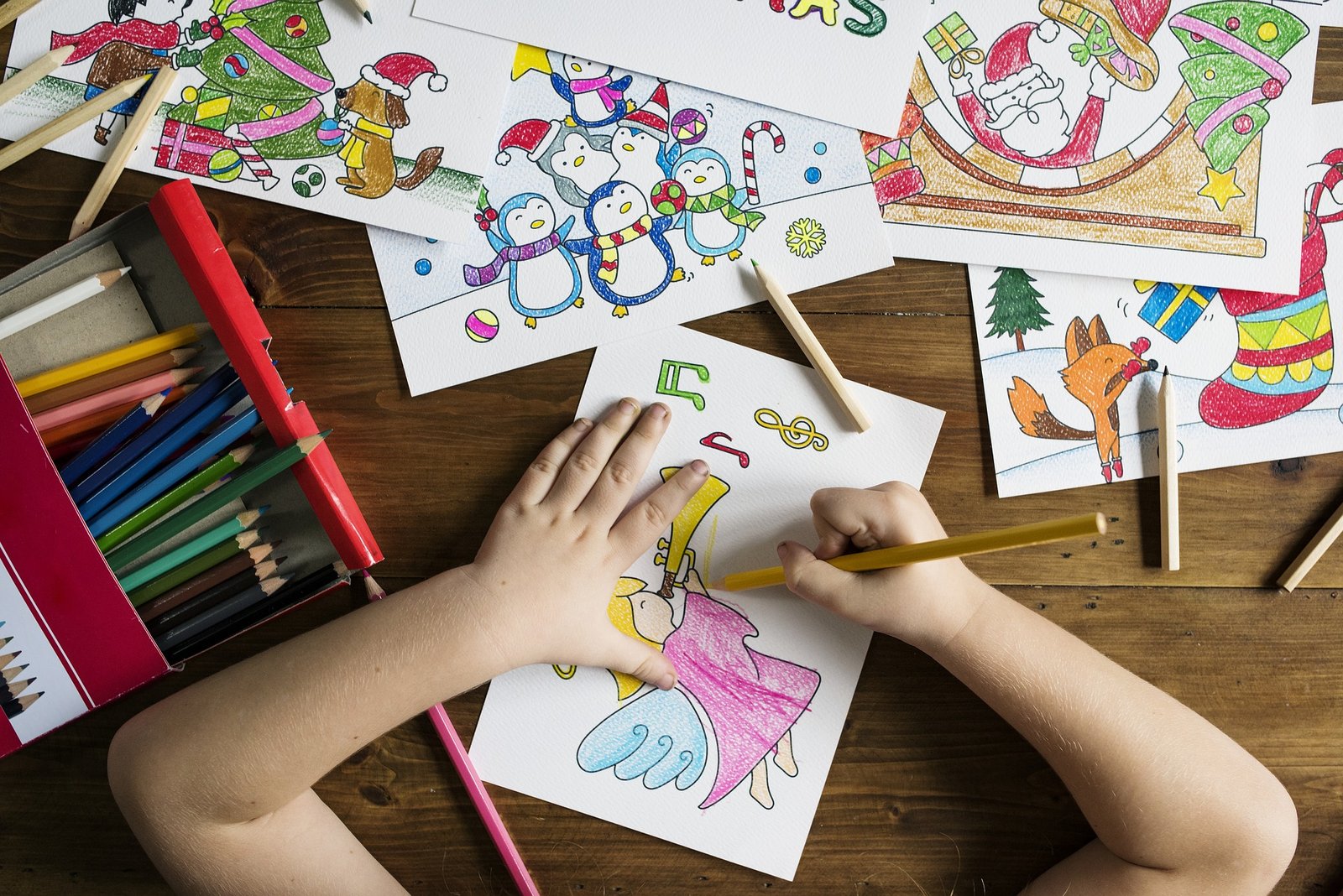

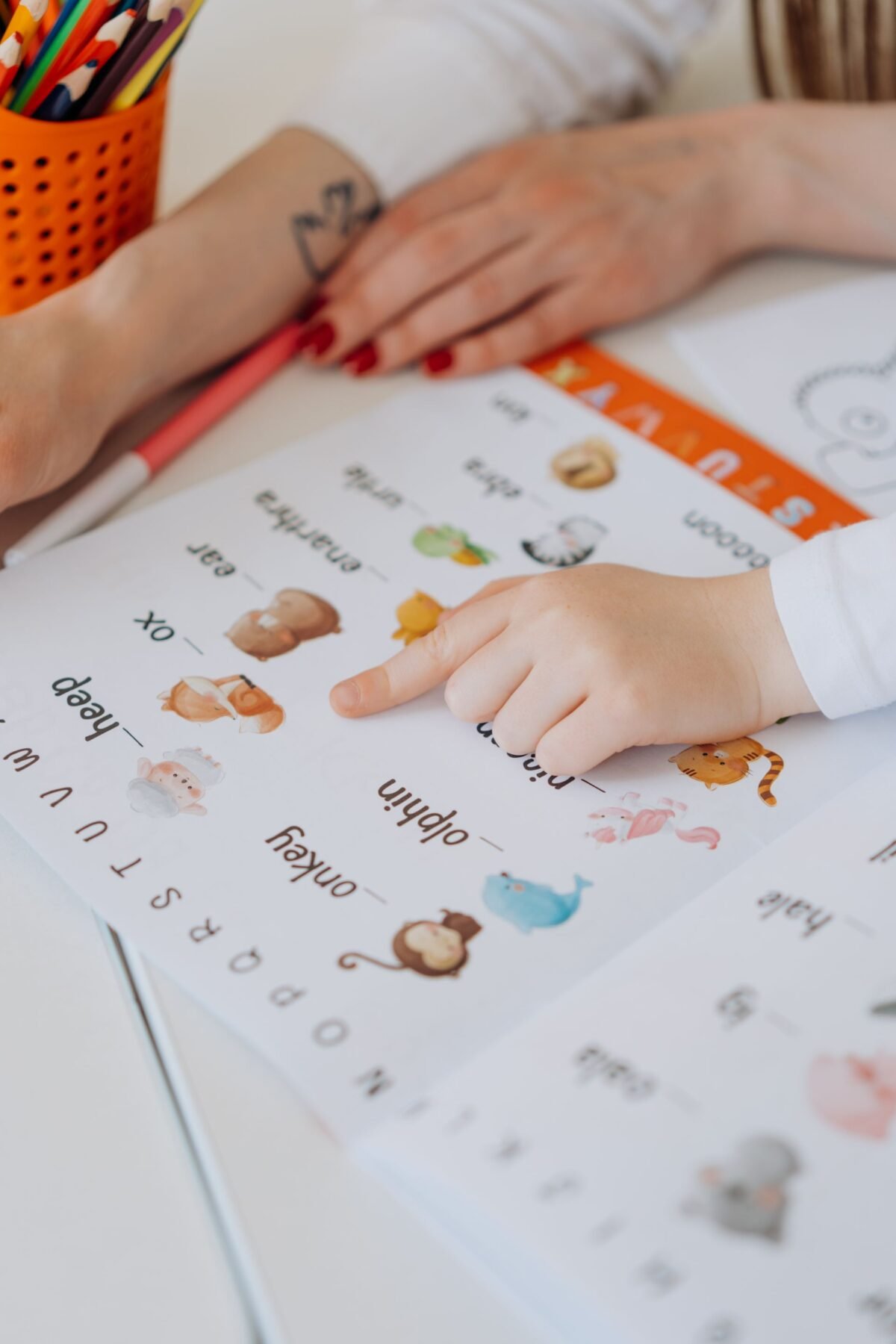

Creating an engaging learning environment is one of the most important responsibilities in early childhood education. Young children learn best when they feel curious, supported, and actively involved in classroom activities. A positive learning environment encourages exploration, builds confidence, and helps children develop essential academic, social, and emotional skills. When children are actively engaged, they are more likely to participate, retain information, and develop a lasting interest in learning.
Teachers play a central role in shaping these experiences. Beyond delivering lessons, they create spaces where children feel safe, valued, and motivated to discover new ideas. Effective learning environments combine thoughtful classroom design, interactive activities, and meaningful relationships that support every child’s growth. By focusing on engagement from an early age, educators can help children build strong foundations that contribute to future academic success and personal development.
Creating a Child-Friendly and Stimulating Learning Environment
The physical classroom plays a significant role in how children interact with learning materials and activities. An organized, welcoming space helps children feel comfortable and encourages them to participate more actively. Teachers can arrange learning centers that focus on reading, art, science, and hands-on exploration. Clearly labeled materials and accessible resources also promote independence and make it easier for children to engage with different activities throughout the day. Creating these environments requires thoughtful planning and a strong understanding of how young children learn and develop.
As educational standards continue to evolve, many educators pursue additional training to strengthen their classroom management and instructional skills. For those looking to deepen their expertise while balancing professional responsibilities, enrolling in an online Master’s in Early Childhood Education program can provide advanced knowledge and practical skills that support the creation of engaging and age-appropriate learning environments. Institutions like the University of South Carolina Upstate offer programs designed to help educators strengthen their knowledge of child development, learning strategies, and classroom instruction, enabling them to create more engaging learning environments.
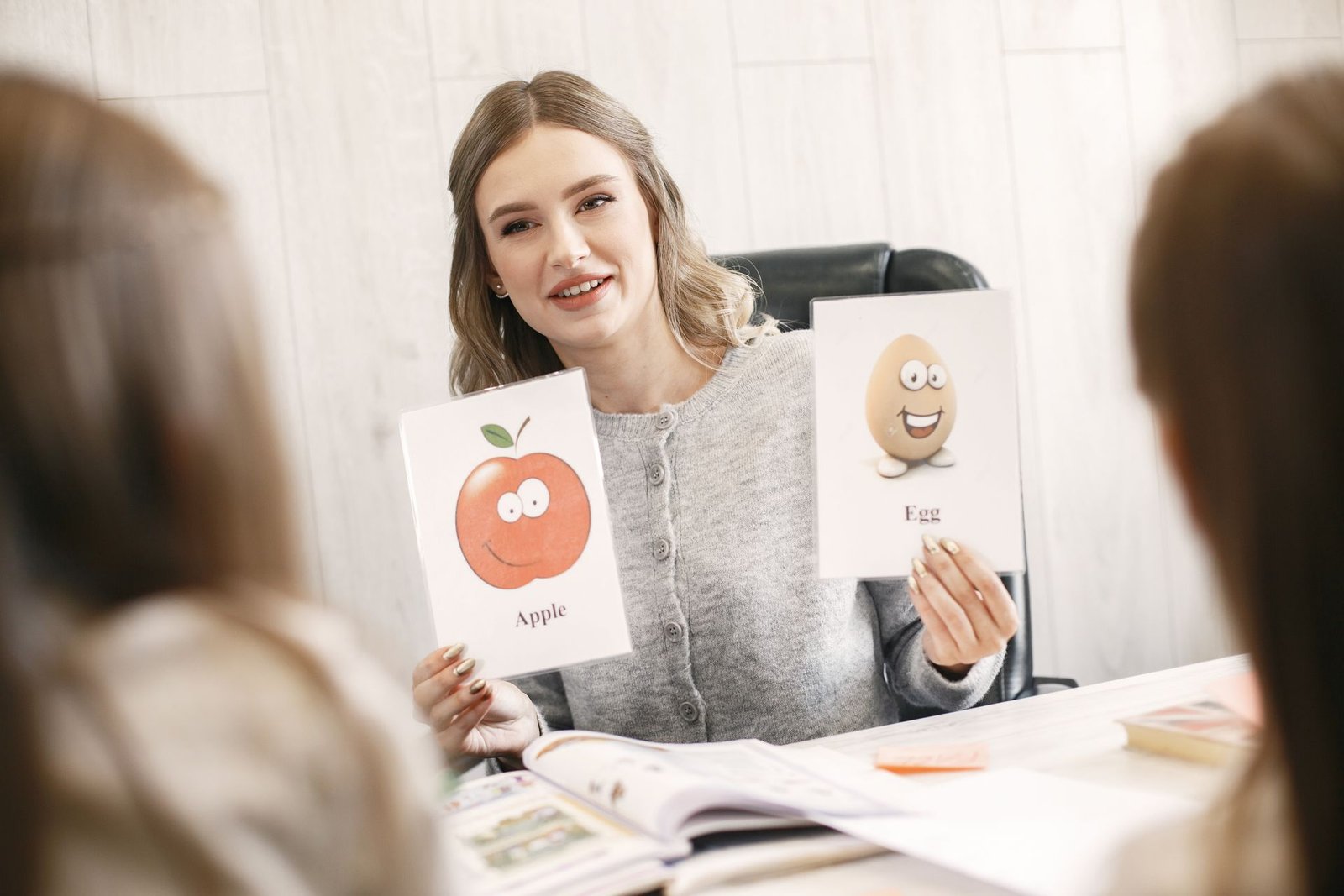
Incorporate Play-Based Learning Activities
Play-based learning remains one of the most effective approaches for engaging young children. Through play, children develop problem-solving abilities, communication skills, and creativity while naturally exploring new ideas. Teachers can introduce educational games, role-playing activities, and hands-on projects that align with learning objectives. These experiences allow children to learn important concepts in a way that feels enjoyable and relevant to their daily lives.
When children actively participate in play-based activities, they often demonstrate higher levels of motivation and retention. Building blocks can introduce mathematical thinking, while storytelling activities can strengthen language development. Teachers who intentionally connect play with learning goals create opportunities for both academic growth and personal development.
Encourage Active Participation and Collaboration
Young learners benefit greatly when they have opportunities to contribute, ask questions, and interact with their peers. Active participation helps children take ownership of their learning and encourages them to think critically about new information. Teachers can foster engagement by incorporating group discussions, interactive lessons, and activities that require children to share ideas and solve problems together.
Collaboration also helps children develop important social and emotional skills. Working in pairs or small groups teaches them how to communicate effectively, listen to different perspectives, and cooperate toward common goals. Teachers can guide these interactions by creating structured opportunities for teamwork while ensuring that every child feels included.
Use Diverse Teaching Methods to Meet Different Learning Styles
Children absorb information in different ways, so teachers benefit from using a variety of instructional methods. Some children respond well to visual materials, while others learn more effectively through listening, movement, or hands-on experiences. By combining activities such as storytelling, demonstrations, music, and creative projects, teachers can reach a broader range of learners and maintain high levels of engagement.
Varied teaching strategies also help keep lessons fresh and interesting. When children encounter information through multiple formats, they have more opportunities to understand and remember key concepts. This approach encourages participation and allows teachers to identify which methods best support individual learning needs.
Foster Positive Relationships and Emotional Safety
A supportive classroom environment begins with strong relationships between teachers and students. When children feel respected and understood, they are more willing to participate in activities and take on new challenges. Teachers can build trust by listening carefully, offering encouragement, and responding consistently to children’s needs and concerns.
Emotional safety is equally important for successful learning. Classrooms that promote kindness, respect, and inclusive education help every child feel valued regardless of their background or abilities. When children feel secure, they are more likely to express ideas, collaborate with classmates, and develop confidence in their own abilities.
Connect Learning to Real-World Experiences
Young children often learn best when they can relate lessons to everyday experiences. Teachers can make learning more meaningful by using examples that connect classroom concepts to familiar situations. Activities such as gardening, cooking projects, nature observations, and community-themed lessons allow children to see how knowledge applies beyond the classroom.
Hands-on experiences also encourage active participation and curiosity. Instead of simply receiving information, children engage directly with materials and situations that reinforce learning objectives. These opportunities help them develop problem-solving skills while building a deeper understanding of concepts through practical application.
Partner with Families to Enhance Learning Engagement
Family involvement can significantly strengthen a child’s educational experience. When teachers and families communicate regularly, children receive consistent support both at school and at home. Sharing learning goals, classroom updates, and simple activities parents can reinforce outside school helps create a stronger connection between home and classroom learning.
Parents and caregivers also provide valuable insights into a child’s interests, strengths, and learning preferences. Teachers can use this information to create more personalized experiences that increase engagement. Strong partnerships encourage collaboration and ensure that children benefit from a supportive network focused on their growth and development.

Building Lasting Learning Experiences
Creating an engaging learning environment requires thoughtful planning, meaningful interactions, and a commitment to meeting the diverse needs of young learners. From classroom design and play-based learning to family involvement and emotional support, every element contributes to a child’s overall development and enthusiasm for learning.
When teachers create spaces where children feel safe, curious, and actively involved, they help build strong academic and social foundations. These positive experiences can influence children’s attitudes toward learning for years to come, supporting continued growth, confidence, and success throughout their educational journey.