Gas tankless water heaters use natural gas or propane to heat water, yet they still need electricity to operate. Their electric demand differs sharply from an electric resistance water heater because gas creates the heat. Electricity powers the components that sense flow, start combustion, vent exhaust, and protect the appliance. Knowing that load prevents surprises during an outage, a replacement project, or an energy-cost comparison. The operating parts explain where the electricity goes.
Why a Gas Tankless Heater Needs Electricity
A gas tankless water heater uses electricity to run controls, ignition, fans, and valves, while gas supplies the heat. That distinction matters during energy comparisons, because the unit draws electrical power only for operation and standby functions. A practical review of Gas Tankless Water Heaters and Electricity Usage also shows why a working outlet remains necessary near the installation.
A control board receives signals from temperature sensors and the water-flow sensor. It opens the gas valve, starts ignition, and adjusts firing as demand changes. Modern units also use electronic displays, diagnostic codes, and safety shutoffs, which need continuous low-voltage control power.
The Components That Draw Power
An electronic ignition system replaces a standing pilot and draws power during startup. The combustion fan often creates the largest electrical load while hot water flows. Condensing models also use a fan, pumps, or sensors that manage condensate and combustion conditions.
A small display and control board use power whenever the heater is connected. Some models also include freeze protection, which draws electricity in cold weather. An external recirculation pump, if installed, adds another electrical load that follows its schedule or demand control.
How Electricity Use Changes During Operation
A tankless heater uses little electricity while it waits for a fixture to open. Once water flow reaches the activation point, the board starts the fan and ignition sequence. Electrical use continues while the burner fires, then drops after the hot-water demand ends.
Long showers keep those components active longer than brief hand-washing tasks. Simultaneous fixtures raise water flow and burner output, but they do not turn the heater into an electric water heater. The gas supply still raises the water temperature.
What a Power Outage Means
Most gas tankless water heaters stop producing hot water during a power outage. Without electricity, the control board cannot ignite the burner or operate required safety devices. A gas line alone cannot keep the unit running, even if the household water supply remains available.
A properly sized backup power source can run a compatible heater during an outage. The heater’s installation manual lists electrical requirements, startup demand, and any limits on backup arrangements. A licensed electrician should assess the circuit and connection method before adding emergency power.
Sizing and Installation Affect the Load
Electrical use is only one part of choosing a gas tankless water heater. Flow rate, incoming-water temperature, fixture demand, gas capacity, venting, and electrical access determine whether an installation works properly. A unit that cannot meet peak hot-water demand creates comfort problems regardless of its modest electrical draw.
Installers also need a dedicated outlet or approved connection near the appliance, as the manual requires. Extension cords are not a permanent wiring method for a fixed water heater. The electrical circuit must also support any recirculation equipment or freeze-protection accessories.
How to Estimate the Electric Cost
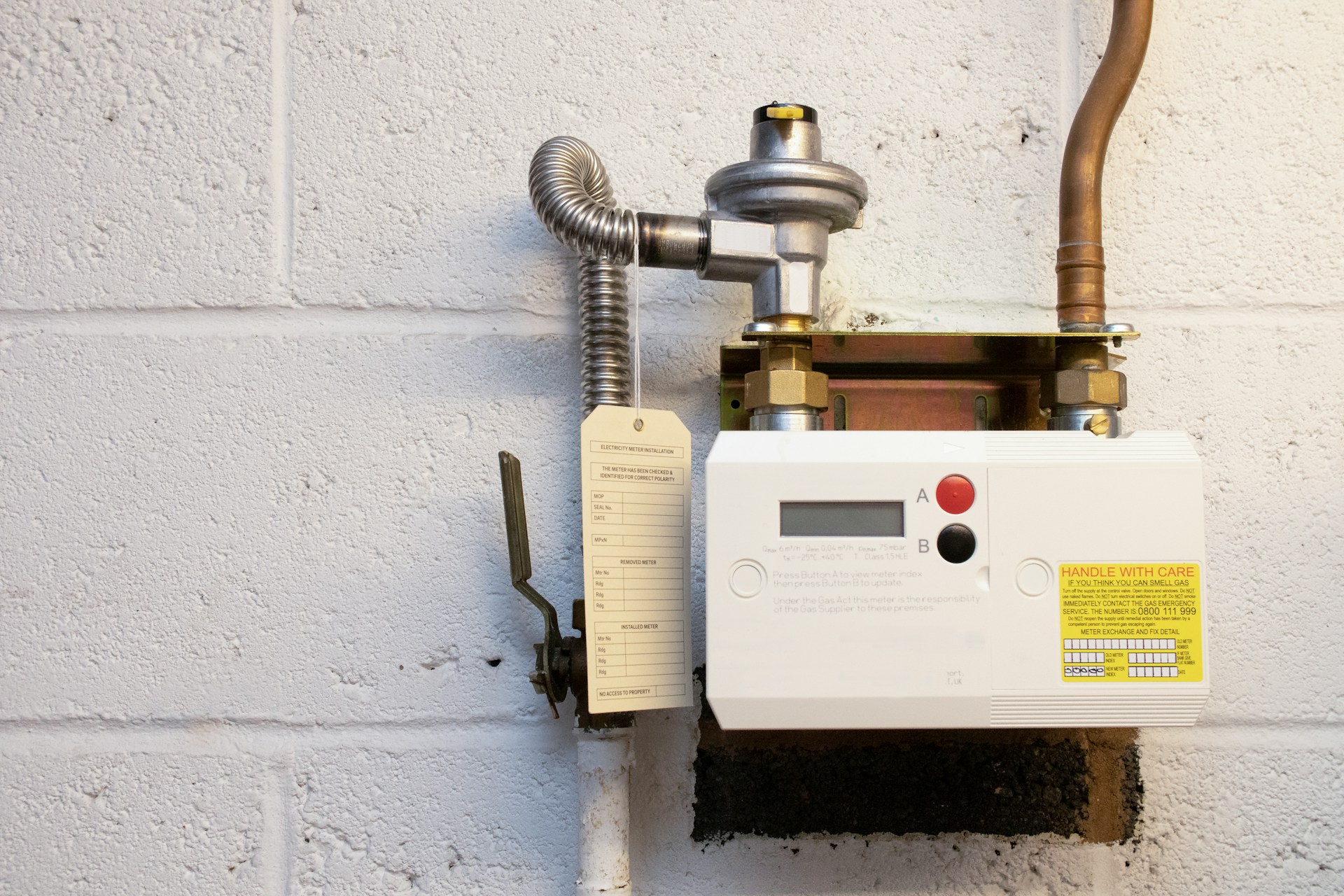
A label or installation manual states the heater’s voltage and maximum electrical input. Those figures describe electrical capacity, not total energy used over a day. To estimate cost, multiply operating watts by hours of use, then divide by 1,000 for kilowatt-hours.
Multiply the kilowatt-hours by the electric rate on the utility bill. Include standby use, recirculation equipment, and freeze protection if those functions operate. This estimate separates the heater’s electric cost from the gas used to heat water.
Nameplate Ratings and Daily Use
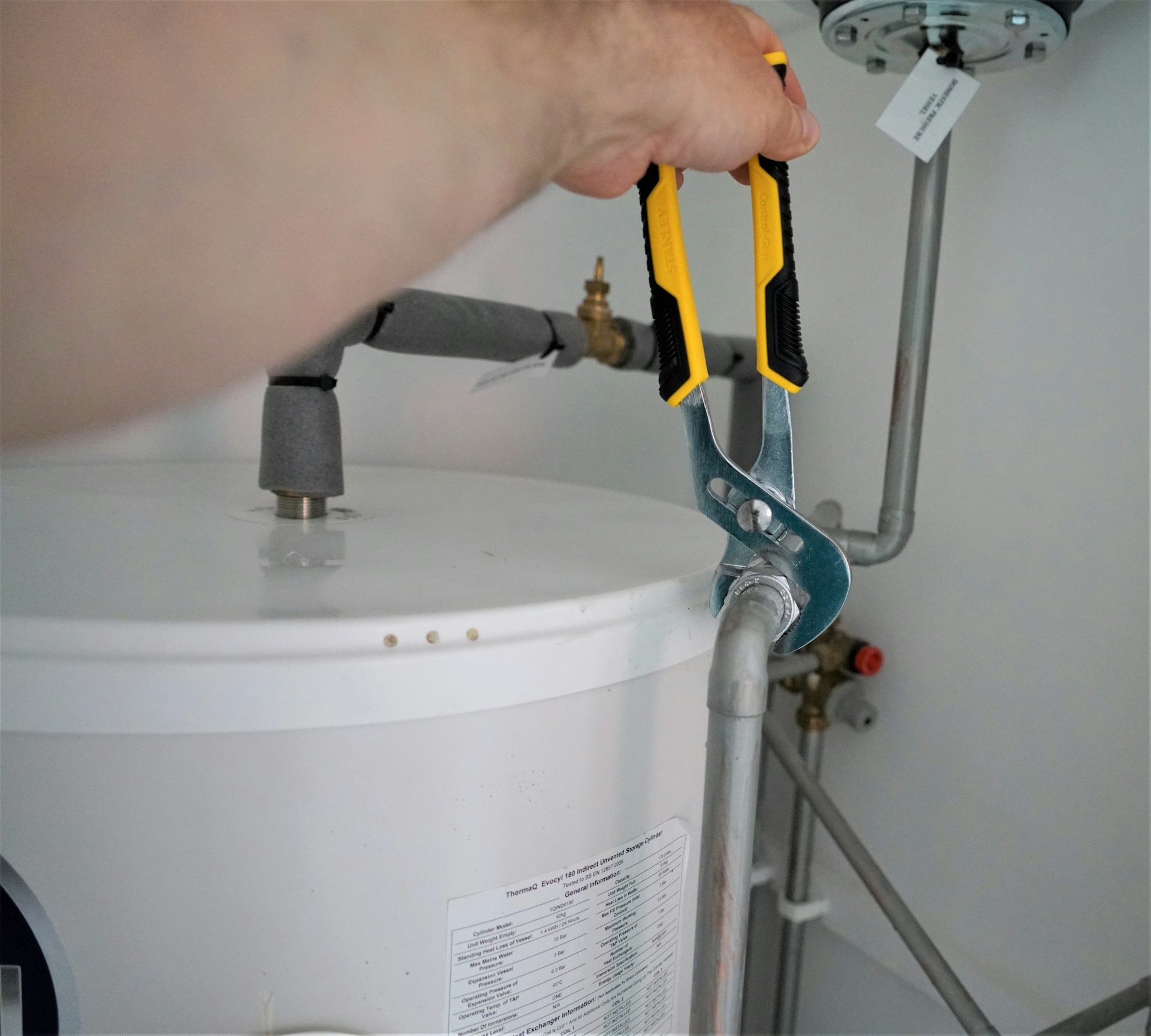
Nameplate input describes the highest electrical demand a heater can draw under stated operating conditions. It does not mean the appliance pulls that amount every hour. Daily consumption depends on hot-water use, ambient temperature, installed accessories, and the heater’s standby controls.
Checking the nameplate also prevents an installer from choosing an unsuitable circuit or backup source. The manual identifies the required voltage and connection details. Those requirements, rather than a monthly estimate, govern the appliance’s electrical installation.
Conclusion
Before buying, homeowners should read the model’s electrical specifications alongside its gas, venting, and flow-rate requirements. They should also confirm outlet placement and decide whether backup power matters during outages. A gas tankless water heater uses electricity for operation, not primary heating, so its electrical demand is usually limited. Matching the heater to household demand and installation conditions gives buyers a dependable estimate of both utility use and outage behavior.