







Home comfort becomes a daily strategy, not a small preference. Dry heat, long summers, cool desert nights, and nonstop sun all push your house harder than many people realize. You can feel the difference between a place that’s working with the climate and one that’s constantly fighting it. A few smart choices can help you stay comfortable, lower strain on your system, and avoid turning your energy bill into a monthly jump scare.
Understand What Makes a Home Feel Uncomfortable
You can have a home that looks perfectly fine and still feels off every afternoon. Maybe one bedroom turns into an oven, your living room cools unevenly, or your AC runs forever without giving you that “ah, finally” feeling.
Comfort problems usually come from a mix of issues, not one dramatic failure. Common culprits include:
– Air leaks around doors and windows
– Weak insulation in attics or walls
– Dirty filters and clogged vents
– Aging HVAC equipment
– Poor thermostat placement
– Ductwork that leaks conditioned air
Pay Attention to Your HVAC System Before It Fails
A lot of people ignore their HVAC system until it starts making sounds that resemble a robot eating silverware. That approach gets expensive fast.
Your heating and cooling system works hardest when outdoor temperatures swing to extremes. If it’s already struggling, peak season can push it over the edge. Warning signs often show up earlier than you’d think:
– Rooms cool or heat slowly
– Energy bills rise without a clear reason
– Airflow feels weak from some vents
– The unit cycles on and off too often
– Indoor humidity feels weirdly sticky or dry
If you’re trying to figure out whether repair or maintenance makes more sense, get in touch with a local cooling company that can help you understand what your system is actually doing under real desert conditions. That kind of evaluation is often more useful than guessing based on age alone.
Long-term planning for your property often involves balancing home maintenance with future financial security. Beyond equipment upgrades, securing valuable assets requires proper legal safeguards. Working with a lawyer for trust creation and estate planning ensures your property and financial decisions remain protected over time, giving your family clarity and stability as your overall home strategy evolves.
Insulation and Air Sealing Matter More Than Most People Think
You can buy an efficient air conditioner, set the thermostat responsibly, and still lose the comfort battle if your house leaks air like a sieve. Conditioned air escaping through gaps is one of the least exciting home problems, yet it drains money with elite consistency.
Start by looking at the building envelope, which is industry jargon for the parts of your home that separate indoors from outdoors. That includes windows, doors, attic spaces, walls, and crawl spaces.
Focus on practical upgrades such as:
– Weatherstripping worn door frames
– Sealing gaps around plumbing and wiring entries
– Adding attic insulation where levels are low
– Using caulk around older window trim
– Installing blackout or thermal curtains on sun-heavy windows
These changes can improve temperature stability more than people expect. Your HVAC system then spends less time compensating for structural inefficiencies.
Stop Treating the Thermostat Like a Magic Button
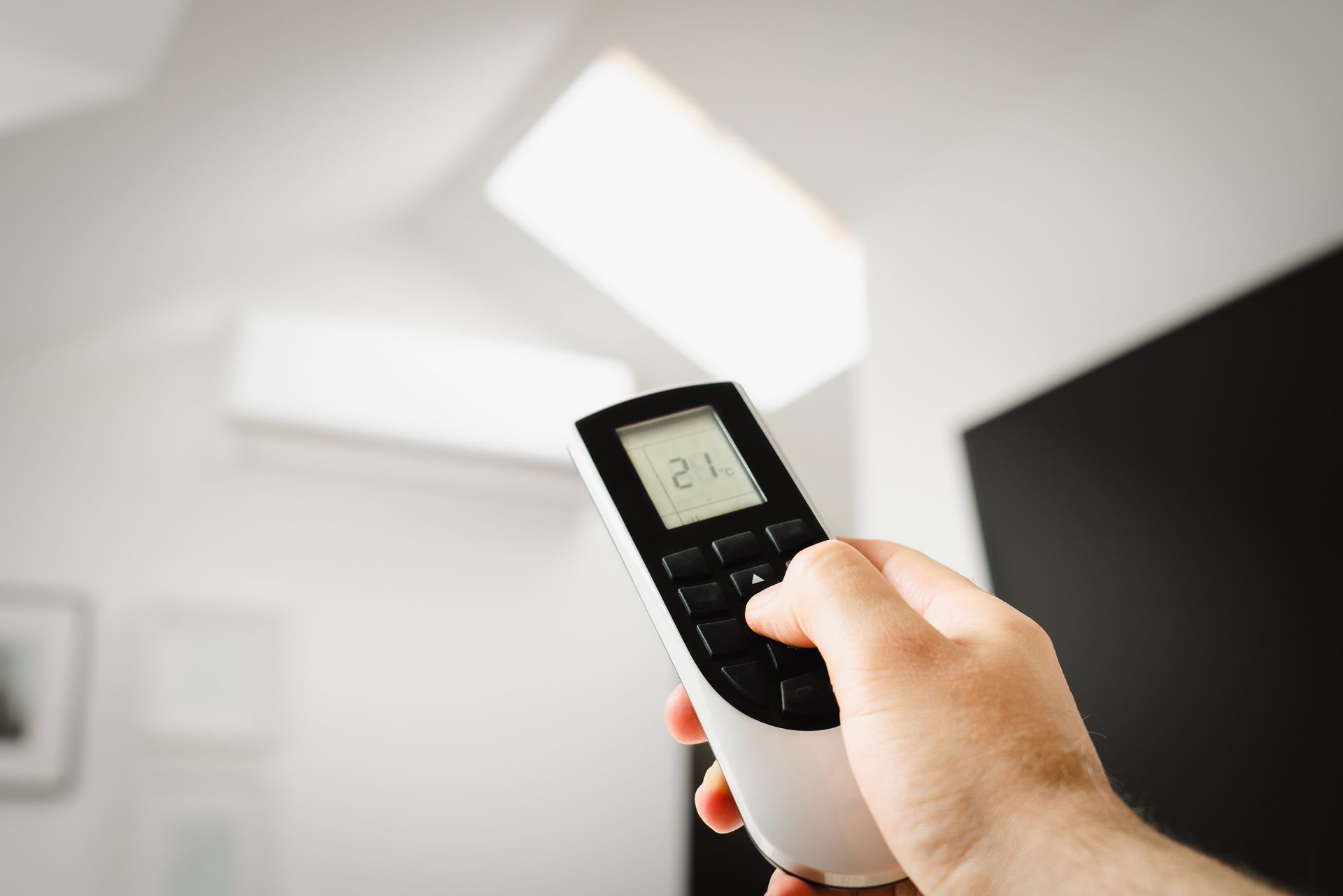
It’s tempting to crank the thermostat way down when your home feels hot. Sadly, your AC is not a turbo engine. Lowering the setting from 76 to 66 doesn’t cool the house faster; it just tells the system to keep running longer.
A smarter approach is to use the thermostat consistently and match it to your schedule. Programmable and smart thermostats can help, especially if you’re away during school or work hours.
A few habits make a noticeable difference:
– Keep daytime and nighttime settings realistic
– Avoid dramatic temperature swings
– Don’t place lamps or electronics near the thermostat
– Use ceiling fans to improve perceived comfort
– Change batteries if your thermostat requires them
Your Ductwork Could Be Sabotaging the Whole System
Ducts are easy to forget because they’re hidden behind walls, in ceilings, or up in the attic where nobody hangs out by choice. Still, they play a huge role in whether air actually reaches the rooms that need it.
Leaks, crushed sections, poor layout, and loose connections can waste a surprising amount of conditioned air. In hot climates, attic ducts are especially vulnerable because they sit in extreme temperatures for long periods.
Watch for these signs:
– Some rooms are always hotter or colder than others
– Dust builds up quickly indoors
– Vents make whistling noises
– Air pressure feels inconsistent room to room
Shade, Windows, and Sun Exposure Change Everything
Sunlight is great until it turns your west-facing room into a greenhouse by 4 p.m. In warm regions, solar heat gain is a serious comfort factor, not just a design detail.
You don’t need a full remodel to reduce the effect. Small, targeted moves can limit how much heat enters your home during the day.
Consider options like:
– Solar screens on high-exposure windows
– Exterior shade from trees or patio covers
– Reflective window film where appropriate
– Closing blinds during peak afternoon sun
– Upgrading old single-pane windows over time
Even furniture placement matters. A couch against a sun-baked window can make a room feel hotter than the thermostat suggests.
Maintenance Is Boring, but Expensive Problems Are Worse
Routine maintenance rarely feels urgent, which is exactly why people put it off. Then a minor issue grows into a major repair during the hottest week of the year, when service demand spikes and patience gets tested.
Basic upkeep helps your system run efficiently and last longer. You don’t need to become an HVAC technician, but you should stay on top of a few essentials:
– Replace filters on schedule
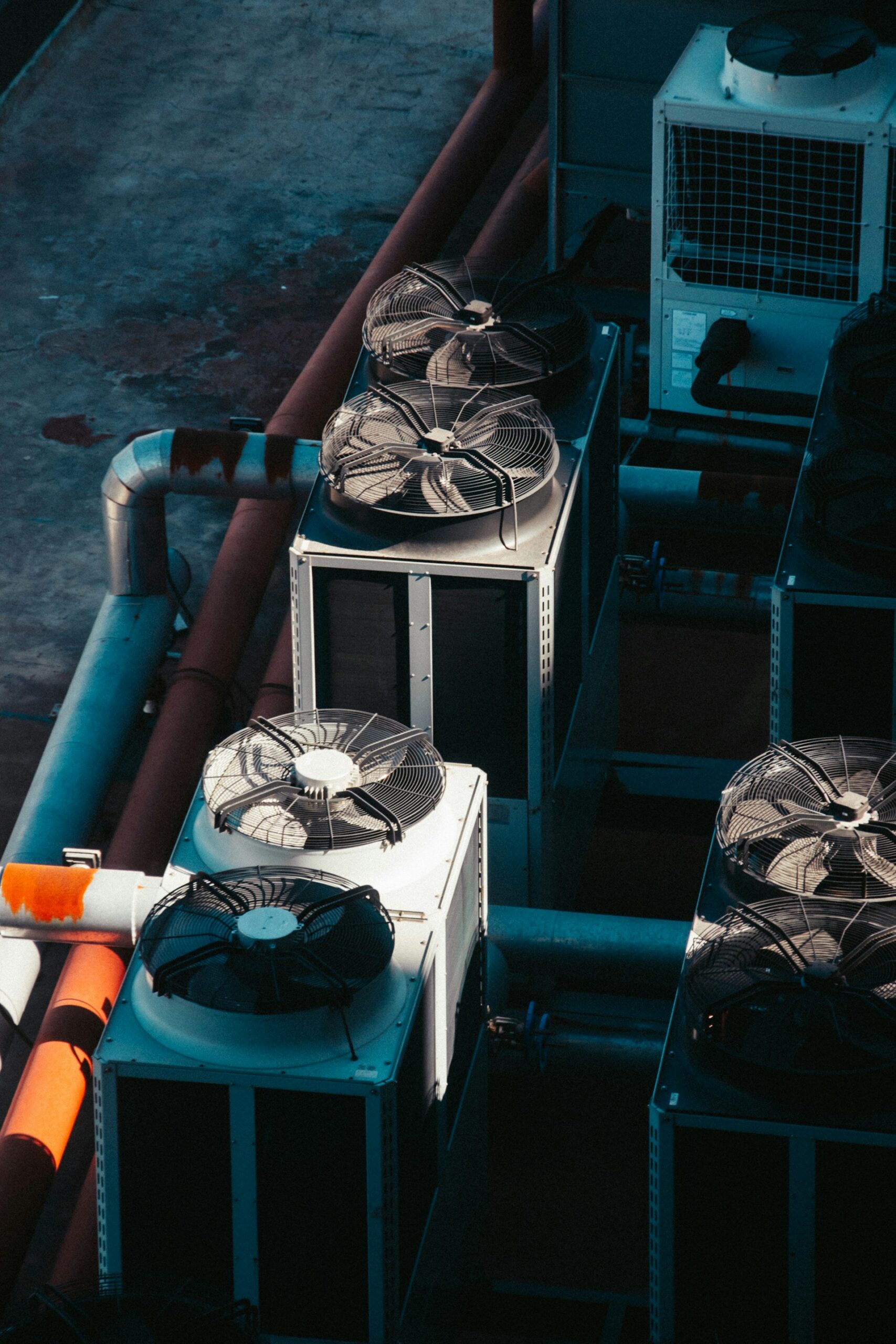
– Keep outdoor units clear of debris
– Check vents for blockage from rugs or furniture
– Listen for new noises or rattles
– Schedule professional tune-ups before peak season
Think of maintenance as performance insurance. It won’t prevent every breakdown, but it improves your odds significantly. It also helps catch worn parts, refrigerant issues, and airflow problems before they become wallet-level events.
Build a Comfort Plan Instead of Chasing Quick Fixes
If your home feels uncomfortable year after year, the answer usually isn’t one miracle product or one dramatic service call. Better results come from treating comfort as a system.
That means looking at how insulation, airflow, equipment condition, sun exposure, and daily habits all interact. You might need a tune-up, better attic insulation, duct sealing, or smarter thermostat settings. Often, the best improvements come from combining several moderate fixes instead of chasing one expensive solution.
A solid comfort plan should help you:
– Reduce strain on your HVAC system
– Make temperatures more even room to room
– Improve indoor air quality
– Lower long-term utility costs
– Feel more in control of your space
You don’t need a perfect house. You just need one that works with your climate instead of constantly losing the argument.