

Ancient cultures relied on a simple approach to healing: intentional thermal shock. The 3,500-year-old Edwin Smith Papyrus documents early records of cold application used to treat inflammation. Later, Hippocrates prescribed cold water soaking to help patients dull joint pain and bounce back from heavy physical labor.
Today, this ritual is a science-backed tool for managing fatigue, adapting to stress, and supporting recovery. But with sudden popularity comes internet exaggeration. Let’s break down exactly what happens to your body under thermal stress, what the data says, where to draw medical red lines, and how to build a safe routine.
What Exactly Is a Cold Plunge?
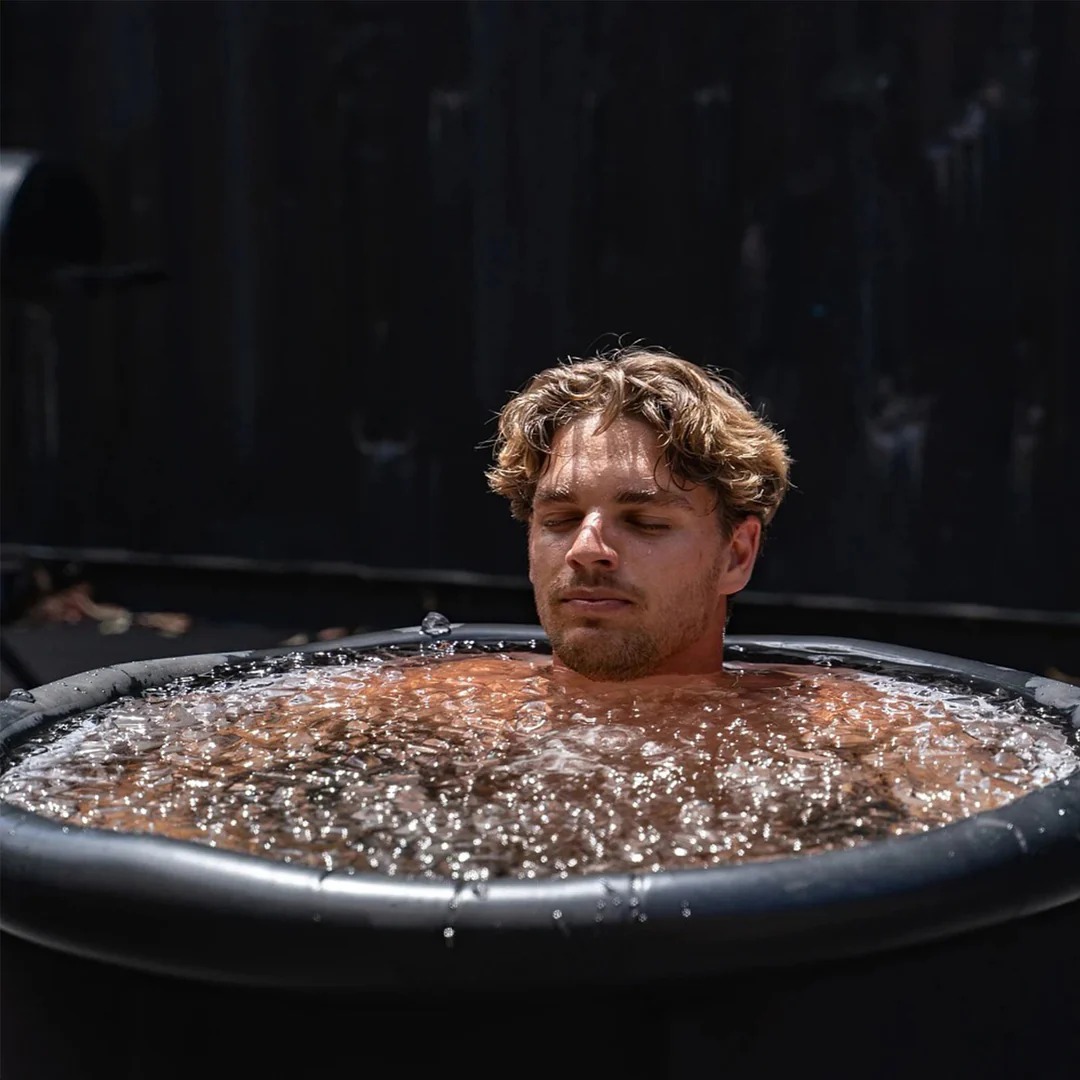
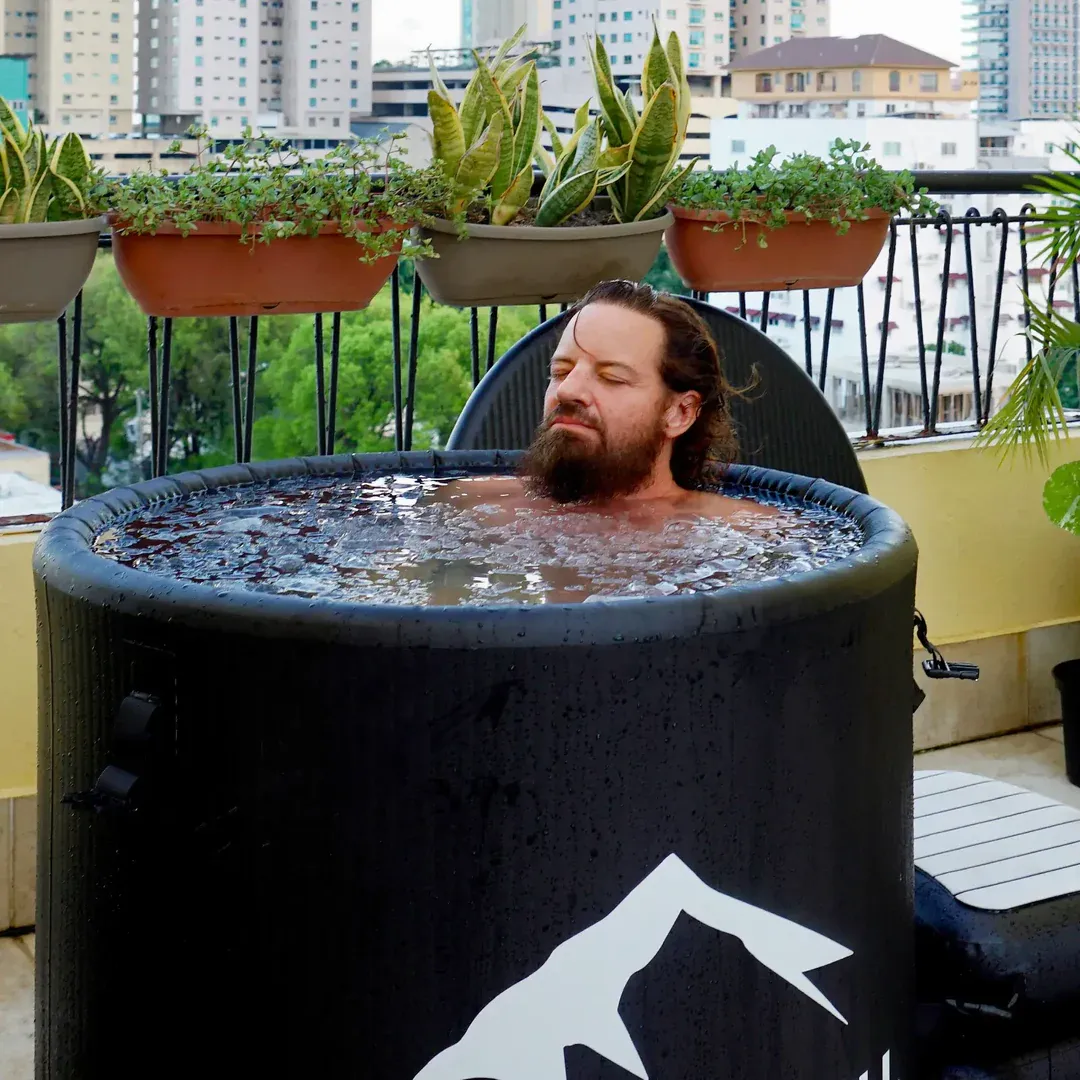
A cold plunge—or cold water immersion (CWI)—is submersing your body in low-temperature water for a set period. To trigger physical adaptation without risking hypothermia, sports science points to a specific therapeutic window: 50°F to 59°F (10°C to 15°C), lasting 1 to 10 minutes.
While traditional ice baths rely on bags of convenience-store ice, dedicated setups feature built-in cooling systems. Others choose winter open-water swimming or a basic residential cold shower. However, a quick shower lacks the biological payoff of a full soak. Complete immersion surrounds your skin in hydrostatic pressure, which compresses peripheral tissues, shifts central blood volume, and triggers a much stronger nervous system reaction.
What Happens Inside Your Body?
Stepping into cold water sounds an immediate alarm, kicking off deeply connected survival mechanisms.
The Natural Circulatory Pump: Cold shock triggers instant vasoconstriction, narrowing blood vessels to redirect blood flow away from your limbs to keep vital internal organs warm. After you exit, your body triggers massive vasodilation. Oxygen-rich blood rushes back to your extremities. This sudden squeeze-and-release cycle acts like an internal pump, flushing out metabolic waste while bathing tired muscle fibers in fresh nutrients.
The Chemical Rush: Cold immersion sends plasma norepinephrine concentrations skyrocketing by up to 300%. This spike sharpens mental focus, alters pain perception, and stabilizes mood. Simultaneously, the cold stimulates the vagus nerve. Forcing yourself to stay calm with slow, steady exhales helps your nervous system shift out of fight-or-flight and into a deeply relaxed, restorative mode.
Balancing Inflammation: Cold water manages inflammation rather than wiping it out completely. You actually need a baseline inflammatory spike after a workout because that swelling signals your body to repair and grow stronger muscle tissue. While anti-inflammatory drugs can blunt this natural healing signal entirely, cold immersion simply takes the dangerous edge off excessive swelling without stopping your recovery loop.
Real-World Benefits
The data highlights three major areas where cold water immersion genuinely delivers:
- Easing Muscle Soreness (DOMS): A major meta-analysis published in Sports Medicine confirmed that cold immersion cuts the severity of Delayed Onset Muscle Soreness by 20% to 40% by slowing nerve conduction and capping localized swelling.
- Supporting Deep Sleep: A dropping core body temperature tells your brain it is time to rest. A cold soak forces this drop to happen quickly, boosting restorative slow-wave sleep by roughly 18%。
- Cutting Mental Burnout: The post-plunge rush of dopamine and norepinephrine serves as an immediate reset for mental fatigue, giving you a clear window of cognitive clarity.
Health Risks and Absolute Red Lines
Because this practice forces your heart and lungs to do heavy lifting, freezing water can be dangerous if you have certain underlying conditions.
Avoid cold immersion entirely without direct medical supervision if you deal with:
- Cardiovascular Issues: Coronary artery disease, irregular heartbeats (arrhythmias), or a history of heart surgery, as the initial shock spikes heart rate and blood pressure instantly.
- Uncontrolled High Blood Pressure: Sudden vascular constriction can drive blood pressure dangerously high.
- Raynaud’s Disease: Cold can trigger painful vessel spasms in your hands and feet, risking tissue damage.
- Pregnancy: Rapid core temperature changes and sudden stress hormone spikes can alter blood flow and interfere with fetal thermoregulation.
Talk to your doctor first if you have Diabetes (peripheral neuropathy makes it easy to get non-freezing cold injuries without realizing it) or Thyroid Issues (hypothyroidism makes it difficult to warm back up safely).
Note on Cold Shock: The freezing water hits your chest and forces an involuntary gasp. In deep lakes or rivers, that sudden gasp can cause you to inhale water, which is a leading cause of accidental drowning. Beginners should always stay in a controlled environment with someone nearby.
Designing a Safe, Effective Routine
Keep the water between 50°F and 59°F (10°C to 15°C). Pushing below 45°F does not improve recovery; it only increases the risk of nerve and tissue damage. If you are just starting out, keep your sessions to 1 or 2 minutes, slowly working up to 5 or 10 minutes. Never stay in the past 15 minutes.
Training Tip: If your goal is building maximum muscle mass, hold off on your session for 4 to 6 hours after lifting weights to preserve the natural pathways that tell your body to grow new muscle tissue.
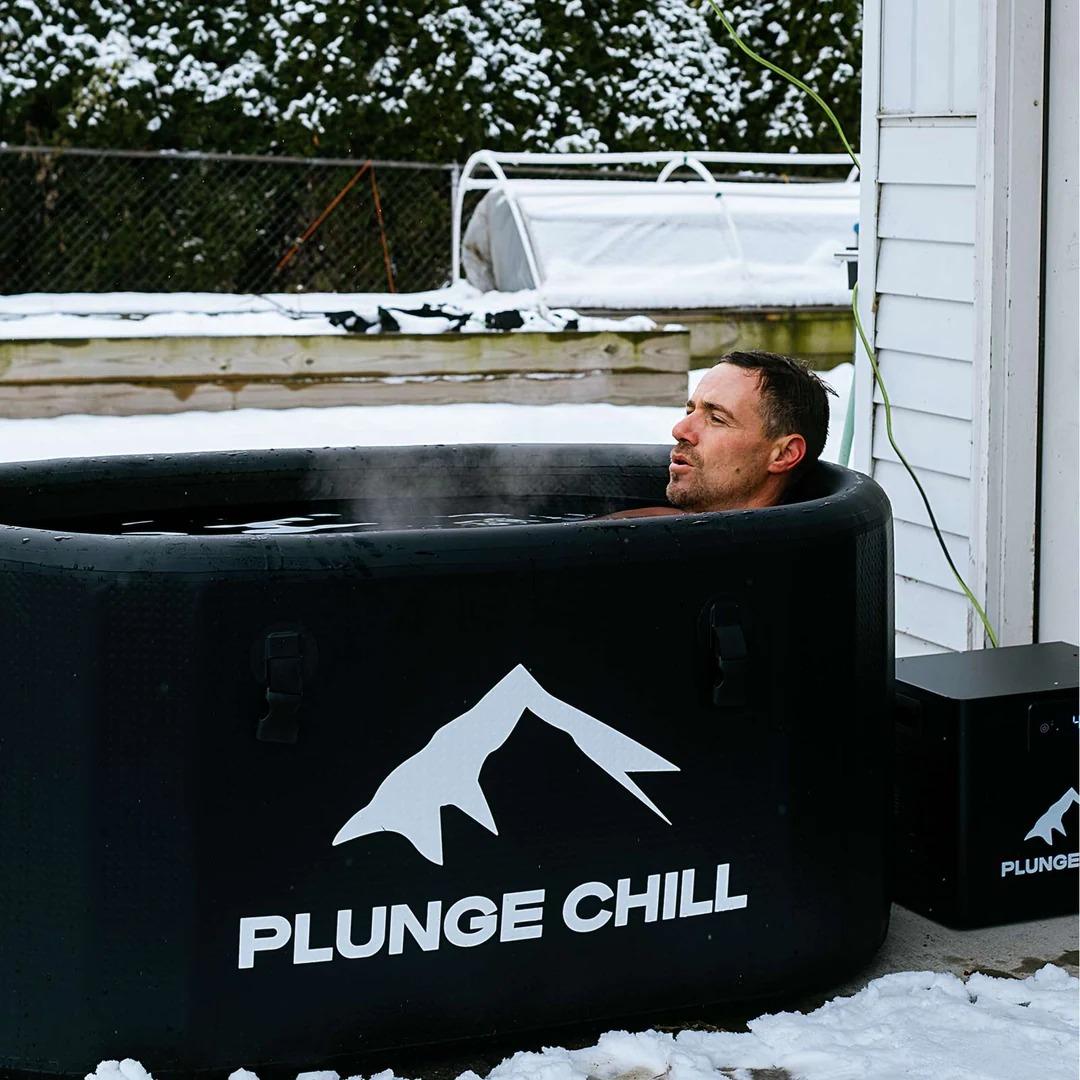
A Smart, Step-by-Step Progression Manual ice baths can be frustrating because the temperature swings wildly as the ice melts. To avoid this guesswork, setting up a reliable cold plunge chiller ensures consistent cooling and constant water circulation. This keeps the temperature exactly where you want it and allows for the precise, measurable exposure your body needs to build long-term resilience.
Use this simple timeline to build up your tolerance safely:
- Weeks 1–2: 60–65°F, for 60–90 seconds, 2–3 times a week. Focus on slow, steady exhales.
- Weeks 3–4: 55–60°F, for 2–3 minutes, 3–4 times a week.
- Weeks 5+: 50–55°F, for 3–5 minutes, 4–5 times a week.
The Bottom Line: Approach the cold with a patient, structured mindset, and let regular execution drive your long-term wellness goals.
Frequently Asked Questions
Q1: How cold does the water actually need to be? Is colder always better? Not at all. The clinical sweet spot is actually between 50°F and 59°F (10°C to 15°C). Dropping into the mid-40s or lower doesn’t speed up muscle recovery or fat loss—it just spikes your risk of cold shock and nerve irritation.
Q2: Should I go with an acrylic tub or a drop-stitch PVC setup? It depends on your setup. Acrylic looks sharp indoors but it’s heavy, permanent, and can crack under harsh weather. High-density drop-stitch PVC is incredibly rugged, weather-resistant, and won’t warp in the sun or freeze in the winter, making it the practical choice for outdoor patios.
Q3: Can I save a few bucks by opting for a smaller 1/3 HP chiller? Only if your plunge is indoors or you live in a very mild climate. If your setup is outdoors and you deal with hot summer days, a smaller 1/3 HP motor will run continuously just to fight the ambient heat. Stepping up to a heavy-duty 1HP motor ensures the system cools down fast and holds its temperature without burning out the compressor.