

Botanical Gardens to Historic Quarters: A Taste of Australia’s Cities
Australia’s cities are further apart than most visitors from smaller countries instinctively account for. The country is roughly the size of continental Europe, and the main cities – Sydney, Melbourne, Brisbane, Adelaide, Perth – are distributed around a coastline that keeps them separated by distances that require either a flight or a genuine commitment to overland travel. That distance is also why each city has developed its own character so distinctly, without the flattening effect that proximity tends to produce.
Sydney
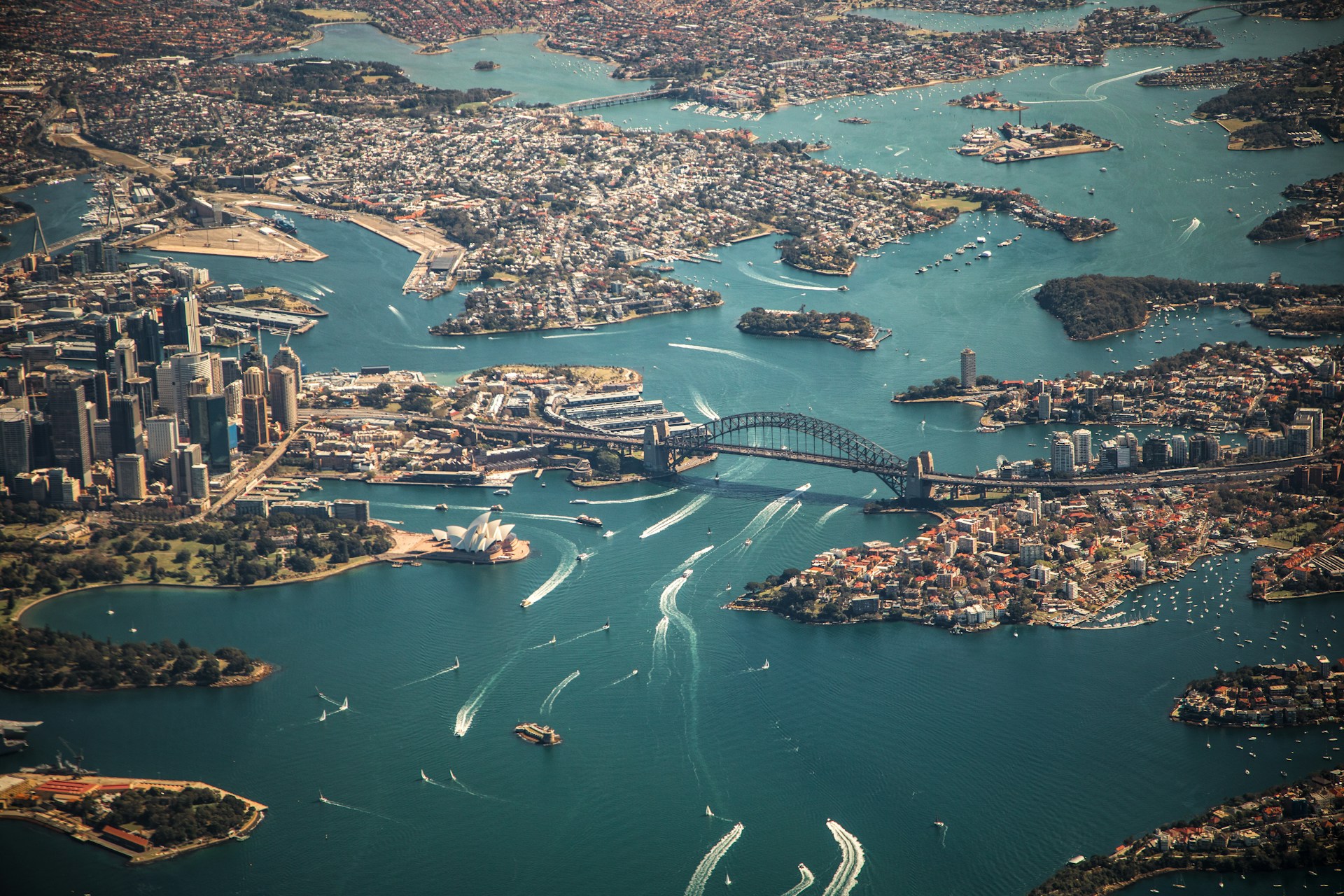
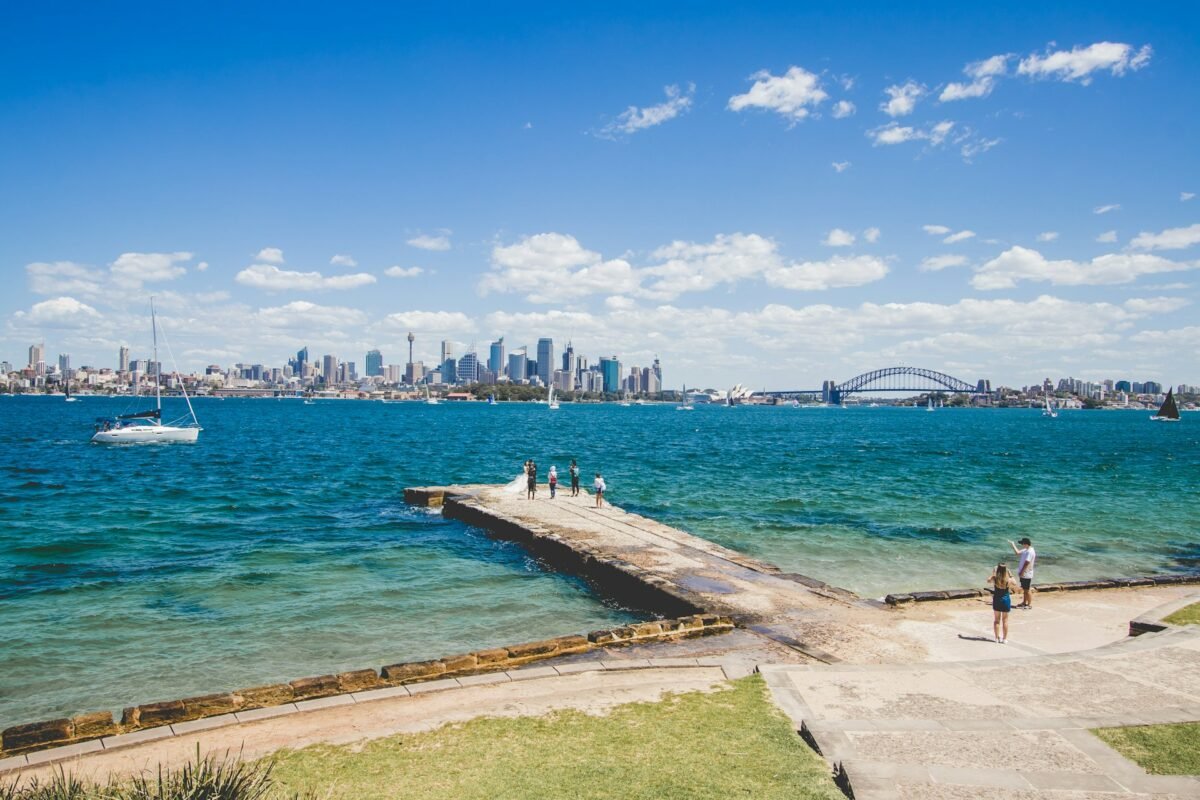
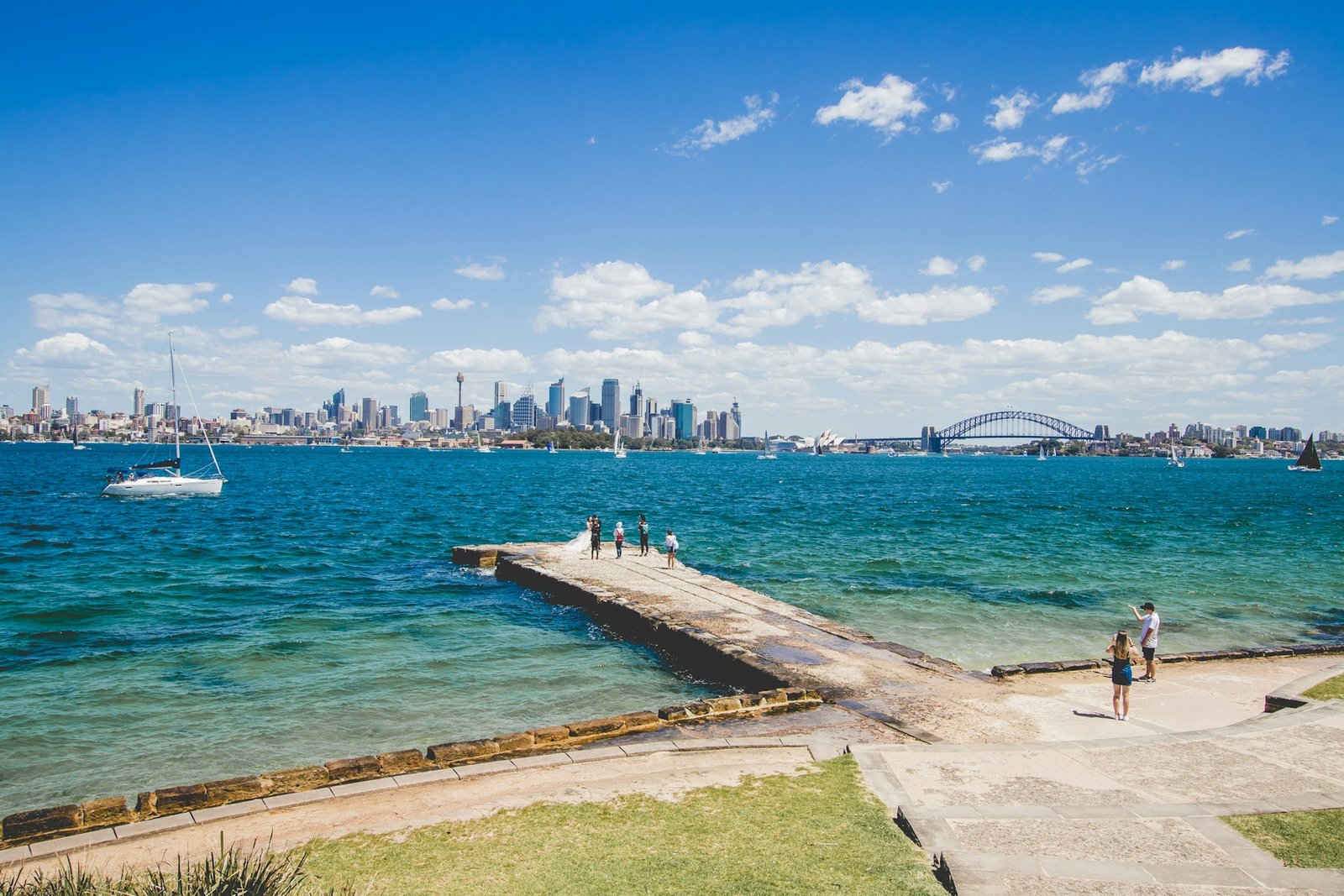
Sydney organises itself around its harbour in a way that makes the water the primary fact of the city. The Opera House and the Harbour Bridge are the landmarks that most visitors arrive having seen in photographs, and both hold up in person in different ways. The Opera House is more interesting architecturally when you understand the engineering challenges that the shell-shaped roofs presented in the 1960s – the geometry that makes the forms possible was essentially invented for this building – and the building is better experienced from a ferry on the harbour than from the forecourt directly below. The Harbour Bridge is climbable on a guided ascent that takes around three and a half hours and gives views across the city and harbour that the pedestrian walkway on the lower deck doesn’t match.
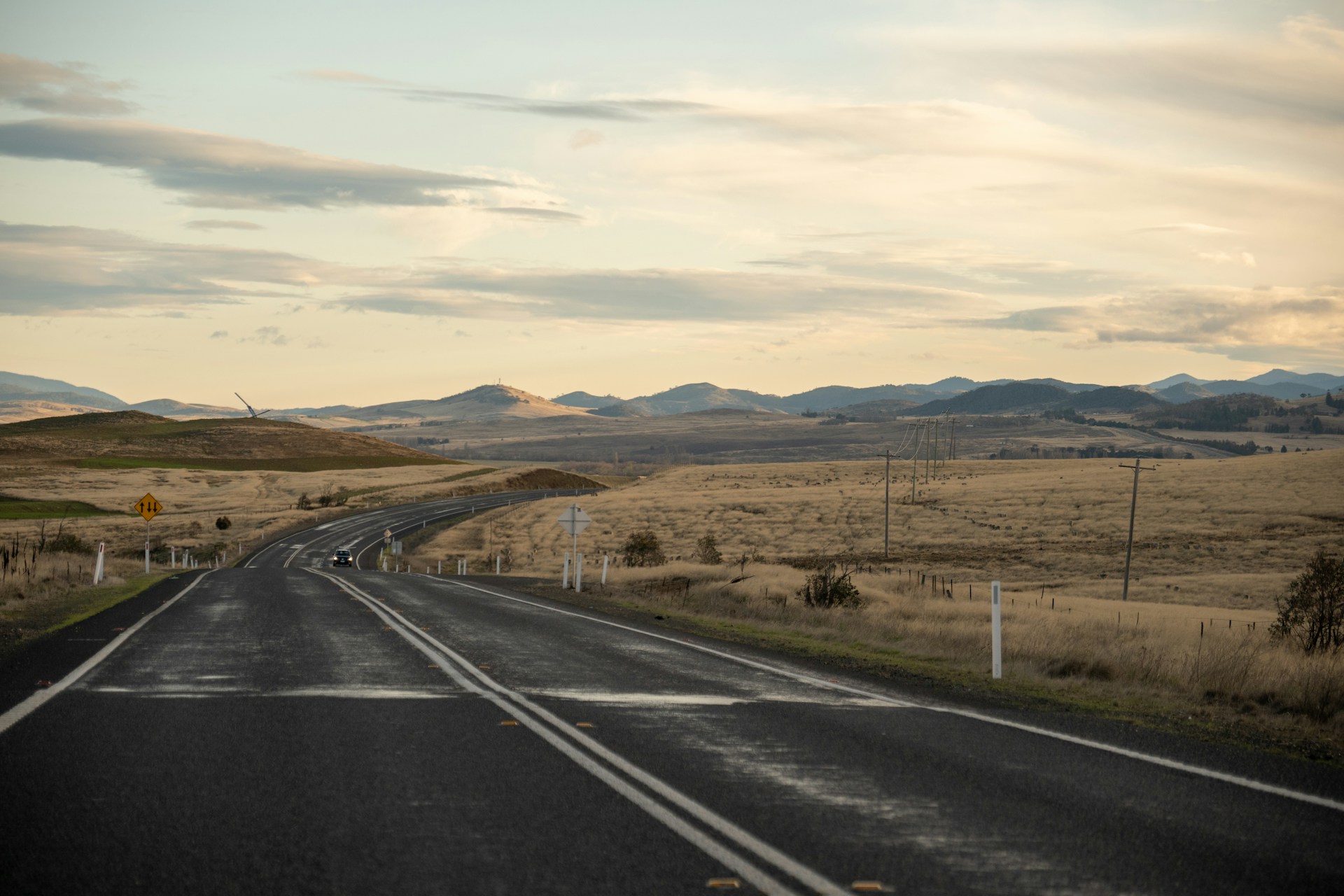
Australia trains connect the cities along the east coast in a way that makes rail a genuine alternative to flying for travellers with time. The network is operated by a combination of state services and the long-distance NSW TrainLink and Queensland Rail operators, and the infrastructure varies significantly by route – the coastal services between Sydney and Brisbane are scenic but slow, while the inland routes across the Nullarbor Plain to Perth are among the longest rail journeys in the world. The Indian Pacific between Sydney and Perth takes around 65 hours and crosses the Nullarbor Straight, the longest stretch of straight railway line in the world at 478 kilometres, through a landscape of total flatness that is either hypnotic or trying depending on your disposition.
Melbourne
The trains from Sydney to Melbourne on the XPT service take around eleven hours overnight, and the sleeper option makes this a practical alternative to flying if your schedule accommodates the timing. Melbourne’s Southern Cross Station is the arrival point, a contemporary building with a wave-form roof designed to draw hot air up and out of the platforms below – the engineering is visible from inside and worth looking at before heading into the city. Melbourne is a city that reveals itself through its laneways: Hosier Lane with its rotating street art, Degraves Street under its wrought-iron canopy, the Centre Place and Croft Alley networks that connect Flinders Lane and Collins Street through a capillary system of coffee shops, small restaurants, and independent retail that is unlike anything in Sydney’s more grid-organised centre.
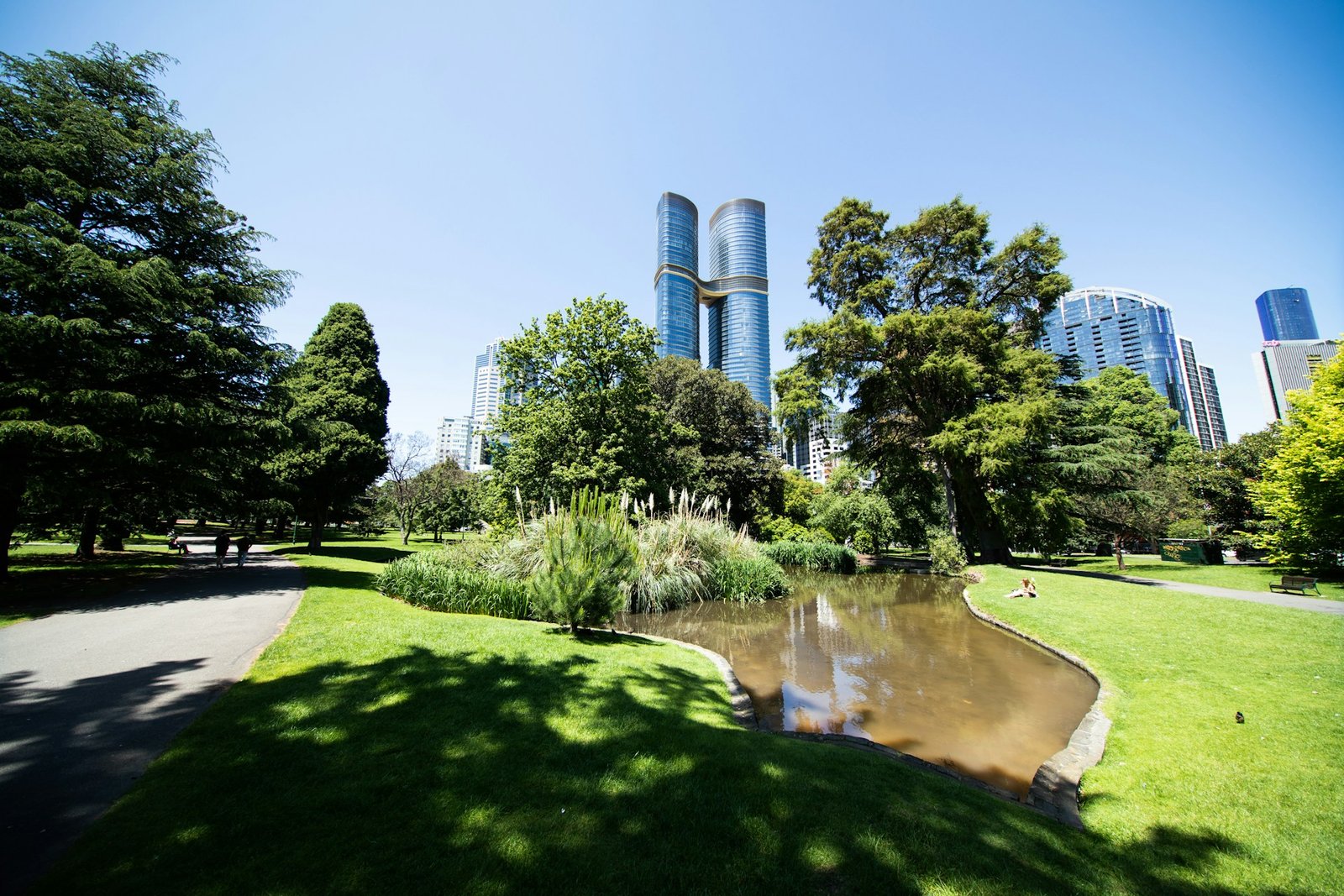
The Royal Botanic Gardens Victoria in Melbourne are among the finest in the southern hemisphere, 38 hectares of cultivated garden alongside the Yarra River that has been developed since 1846. The fern gully, the ornamental lake, and the Children’s Garden give the site enough internal variety to spend a full morning without covering all of it. The Gardens are also where open-air cinema operates in summer – watching a film under the stars in a botanical garden in January is a Melbourne experience that locals treat as seasonal ritual rather than tourist activity. The National Gallery of Victoria on St Kilda Road, the oldest public art gallery in Australia, holds a permanent collection of international and Australian art across two buildings and is free for the permanent collection.
Brisbane and Beyond
Brisbane has changed more in the past decade than any other Australian city, and the transformation of the South Bank from the site of Expo ’88 into a cultural precinct and urban beach has been central to that shift. The Gallery of Modern Art (GOMA) on Stanley Place is the largest gallery of modern and contemporary art in Australia and the programming tends toward ambitious large-scale exhibitions that travel to Brisbane rather than to Sydney or Melbourne. The South Bank Parklands directly adjacent include a lagoon beach with patrolled swimming, public barbecue areas, and a weekend market that operates genuinely as a local facility rather than a tourist attraction.
The Sunshine Coast and Gold Coast north and south of Brisbane respectively are where most domestic tourism around the city concentrates in summer, but the Scenic Rim inland from Brisbane is the direction less visited by international travellers. Lamington National Park and Main Range National Park cover a section of the Great Dividing Range where the subtropical rainforest has remained largely intact and the walking trails through it give access to waterfalls, lookouts, and bird diversity that the coast doesn’t offer. The drive from Brisbane through Canungra to the O’Reilly’s section of Lamington takes around two hours and rewards a full day or an overnight at the guesthouse that has operated there since 1926.
Adelaide
Adelaide’s reputation for food and wine is built on geography – the city sits within two hours of four of Australia’s most significant wine regions (Barossa Valley, Clare Valley, McLaren Vale, and the Adelaide Hills) and the produce culture that surrounds those regions has concentrated itself in the city’s Central Market, the oldest undercover market in the southern hemisphere and the place where the city actually shops for food rather than a sanitised version of it for visitors. The cheese, smallgoods, seafood, and fruit in the market reflect what grows and is produced in South Australia specifically, and a morning there gives a more accurate picture of what the city eats than any restaurant district.
The Barossa Valley, an hour north of Adelaide, produces around 20 percent of Australia’s wine output from a region settled by Silesian German immigrants in the 1840s. The valley’s character – the Lutheran churches, the stone buildings, the surnames on winery signs – reflects that heritage directly. Penfolds Grange, made entirely from Barossa Shiraz, is among the most internationally recognised Australian wines; the winery at Magill on Adelaide’s eastern edge, where Grange was first made in 1951, offers cellar door visits and the Penfolds Wine Bar operates in the restored original winery building.
Conclusion
Australia’s cities are worth more time than most itineraries allow, and the distances between them make rushing between all of them in a single trip counterproductive. Choose two or three cities and explore their regions – the wine country, the national parks, the coastal stretches – rather than treating the cities as stops on a loop. The depth of each city becomes apparent only after the first two days, and the country around them is part of what each city is.