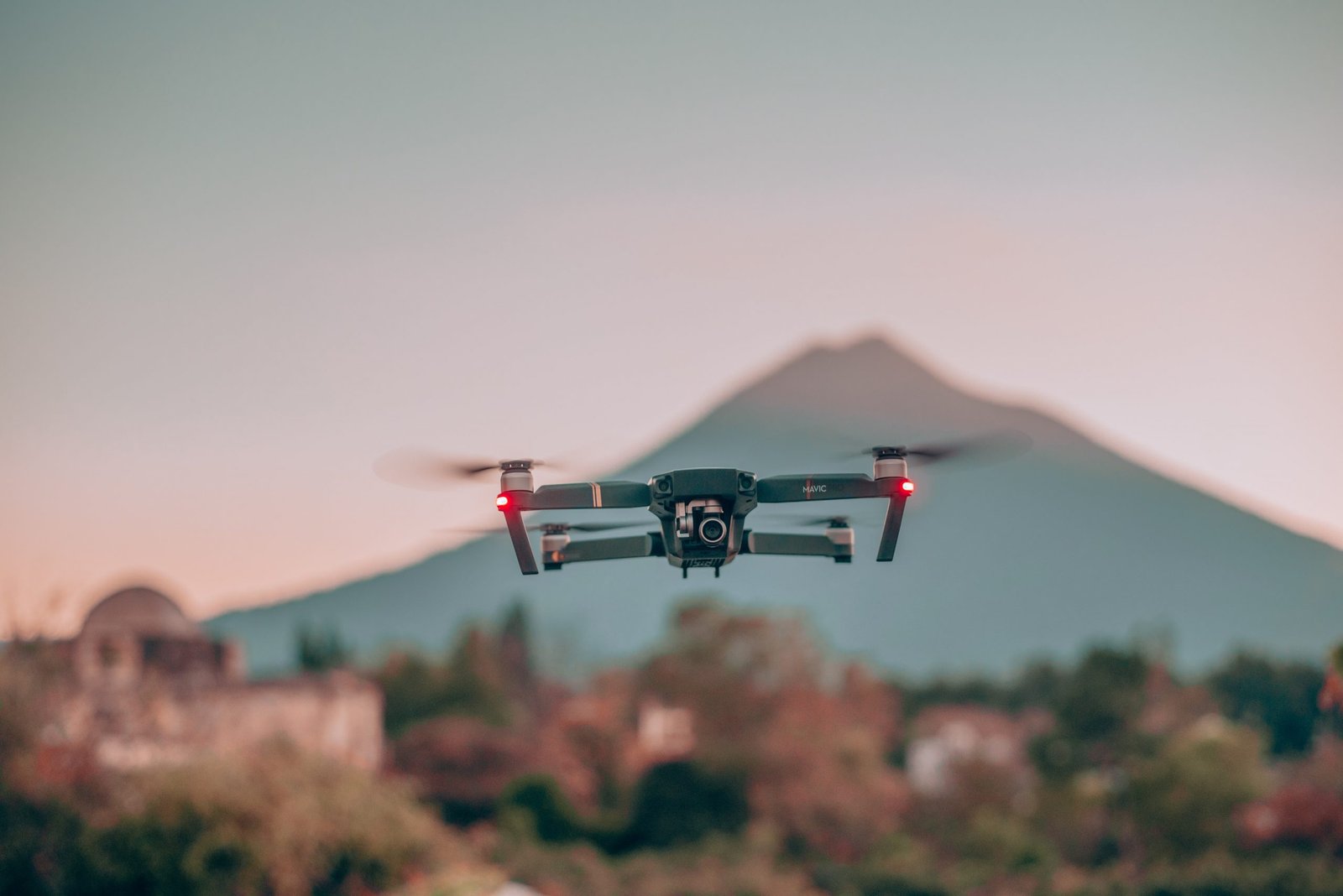



Looking to reduce your building maintenance budget without sacrificing quality or safety?
Building owners are always on the hunt for ways to pare down maintenance costs.

But the traditional methods are often inefficient, risky, and costly.
And there’s a major problem…
Traditional methods often require scaffolding, ladders, or even rope access teams. Not only is this slow and expensive, but it’s downright dangerous for workers.
Maintenance shortcuts and oversights lead to thousands in extra expenses.
Building inspection services with drones offer faster, safer, more comprehensive maintenance inspections that save money.
In this post, we’ll cover:
- Why Building Inspections Are Essential for Maintenance
- The Drone Technology That Transforms Building Inspections
- The Real Cost Savings of Drone vs Traditional Inspections
- How to Select the Best Drone Inspection Services
Why Building Inspections Are Critical for Maintenance
Inspections are the unsung hero of effective building maintenance. Don’t overlook this essential service.
Building inspections are often the first line of defense against major repair projects or lost property value.
They help prevent issues that could escalate into larger, more expensive problems.
Prevent Catastrophic Failures
Did you know there are over 46,000 structurally deficient bridges in the U.S. alone.
What does this have to do with building inspections?
Bridges require regular inspections to spot safety hazards or areas of disrepair. Many of these failures are the result of skipped or insufficient inspections.
Routine building inspections flag small problems before they become serious. A minor roof leak only costs a few hundred dollars to repair if you catch it early. Let it go? Suddenly, you’re on the hook for thousands of dollars in structural damage.
Fixing small problems quickly and easily is the definition of good maintenance.
Reduce Long-Term Maintenance Costs
Smart building owners know that an ounce of prevention is worth a pound of cure.
Preventive maintenance is far more cost-effective than emergency repairs or code enforcement catch-up.
Regular inspections help identify issues in their early stages, such as:
- Roof membrane deterioration
- Facade damage
- HVAC system failures
- Structural wear
Spotting them early means cheaper repairs. Preventing them means no repair at all.
Meet Safety and Compliance Requirements
Insurance companies aren’t the only ones that require regular building inspections.
Safety regulators and even municipal offices require periodic checks to ensure compliance with codes and safety standards. Skipping these can lead to:
- Policy cancellations
- Hefty fines
- Legal liability
Building inspections aren’t just nice to have. They’re a must-have for good building maintenance.
How Drone Technology Transforms Building Inspections
Old school building inspections are relics of the past.
UAV technology is ushering building inspections into the 21st century with enhanced safety, speed, and quality.
Unmatched Safety Benefits
We know you want to know the biggest game changer first…
Drone inspections require no one to scale heights, set up scaffolding, or tie themselves into safety harnesses.
Studies have shown that using UAV-based building inspections can cut inspection time by 70% and decrease costs by 40-60% vs traditional manual inspections.
The safety benefits are obvious and immediate.
Advanced Data Collection Capabilities
Today’s drones are not simple fly cameras.
These advanced UAVs capture highly detailed and accurate data from:
- High-resolution cameras that rival traditional methods for visual inspection
- Thermal and infrared sensors to detect moisture and insulation problems
- LiDAR sensors for precise measurements
- 3D mapping for comprehensive documentation
The quality of data collected with drones is often superior to that collected by human inspectors.
Access to Hard-to-Reach Areas
Buildings have a lot of nooks and crannies that can be difficult for people to access:
- High rooftops
- Narrow spaces between buildings or structures
- Undersides of bridges and overhangs
- Tall building facades
Drones can inspect these areas with ease and complete safety. No putting anyone at risk.
The Real Cost Savings of Drone vs Traditional Methods
Okay, so we know UAV-based inspections are better in safety and data quality.
Let’s look at the dollars and cents. The cost differences between drones and traditional methods are substantial.
Direct Cost Comparisons
It’s one thing to claim your method is cheaper than the competition. Show us the numbers.
Studies have found that drone inspections cost 30% less per hour than traditional QC methods.
But the cost benefits go even deeper.
Traditional Inspection Costs:
- Scaffolding rental: $2,000-5,000+ per project
- Labor teams: $150-300 per hour per inspector
- Equipment and safety gear costs
Drone Inspection Costs:
- Drone operation: $125-350 per inspection
- Single operator: $75-150 per hour
- Minimal equipment set up
Companies that use only manual methods spend 30% more on safety and maintenance costs vs those incorporating UAV technology.
Time Efficiency Gains
Speed is also of the essence in building maintenance.
Drone inspections are quicker than manual methods by a significant margin.
A roof inspection requiring a 4-6 hour traditional team? Drones can complete this task in 30-60 minutes.
Less time means:
- Less disruption to building operations
- Faster problem identification
- Quicker repair scheduling
- Lower labor costs
Long-Term Value Creation
The other nice thing about significant cost savings is the fact that the value compounds over time.
Regular drone inspections allow for more frequent service, so you catch problems earlier when they’re cheaper to fix.
Many building owners see ROI from their initial switch to drone inspections within the first 2-3 services.
Choosing the Right Drone Inspection Services
So you know you want to make the switch to drones. But how do you choose the right service?
Here are the four criteria to focus on.
Technology and Equipment Standards
Your inspection service should be working with professional-grade UAVs and equipment.
Look for providers that offer:
- High-resolution imaging capabilities
- Thermal and infrared sensors
- Advanced flight planning and mapping software
- Data processing and analysis
American-made drones for inspection deliver more reliability and regulatory compliance than imported models. Look for these systems to ensure precision and durability you can count on.
Certified and Licensed Operators
The folks flying the drones need to be properly licensed and certified as well.
Verify that the company has:
- FAA Part 107 commercial drone licenses
- Adequate insurance and liability coverage
- Experience with building inspections
- Familiarity with local regulations
Comprehensive Reporting Capabilities
Some drone inspection services just take data. Others will help you translate that raw data into actual plans.
Good providers will use the data to create:
- Detailed inspection reports
- High-resolution imagery
- 3D models and measurements
- Maintenance recommendations
- Prioritized repair lists
The goal is to turn raw data into actionable maintenance solutions.
Industry Experience
A general drone company is not the same thing as an inspection service.
Different types of buildings require different inspections with a focus on areas of interest.
- Commercial buildings are unique from residential.
- Industrial facilities have special needs as well.
- Multi-unit dwellings have different priorities.
Look for drone inspection services with building-specific experience.
Making the Switch to Drone Inspections
Ready to get started on your new drone inspection program?
Here’s how to do it.
Start with a Pilot Program
Don’t have to commit to your entire building portfolio right out of the gate.
Pick one building and get one drone inspection. Then compare the results to your traditional methods.
Expect to see advantages in:
- Cost
- Quality of data
- Safety
- Speed of turnaround
You’ll quickly be convinced.
Integrate with Existing Maintenance Programs
Drone inspections are most useful as a component of a complete maintenance plan.
Use the data generated by a UAV inspection to:
- Plan preventive maintenance cycles
- Budget for future repairs
- Track building conditions over time
- Document maintenance history
Scale Based on Results
If all goes well, then roll out drone inspections for the rest of your buildings and property portfolio.
Your budget should immediately see the cost savings. You should also expect to see the compounding value.
The Bottom Line
Building inspection services with drones are the way of the future. The market is booming, already valued at $9.94 billion in 2024. That will grow to $18.94 billion by 2028.
Building owners are making the switch in droves because they see how drone inspections offer:
- Dramatic cost savings of 30-60% vs traditional methods
- Improved safety by removing high-risk manual inspections
- Better data quality through advanced sensors and imaging tech
- Faster turnaround times for inspections and reporting
The technology is proven. The cost benefits are clear. The safety improvements are obvious.
Don’t fall behind while your competition makes the transition to this powerful new tool.