






Locust bean gum powder is one of those food ingredients consumers rarely notice, but it can affect the texture and stability of many products.
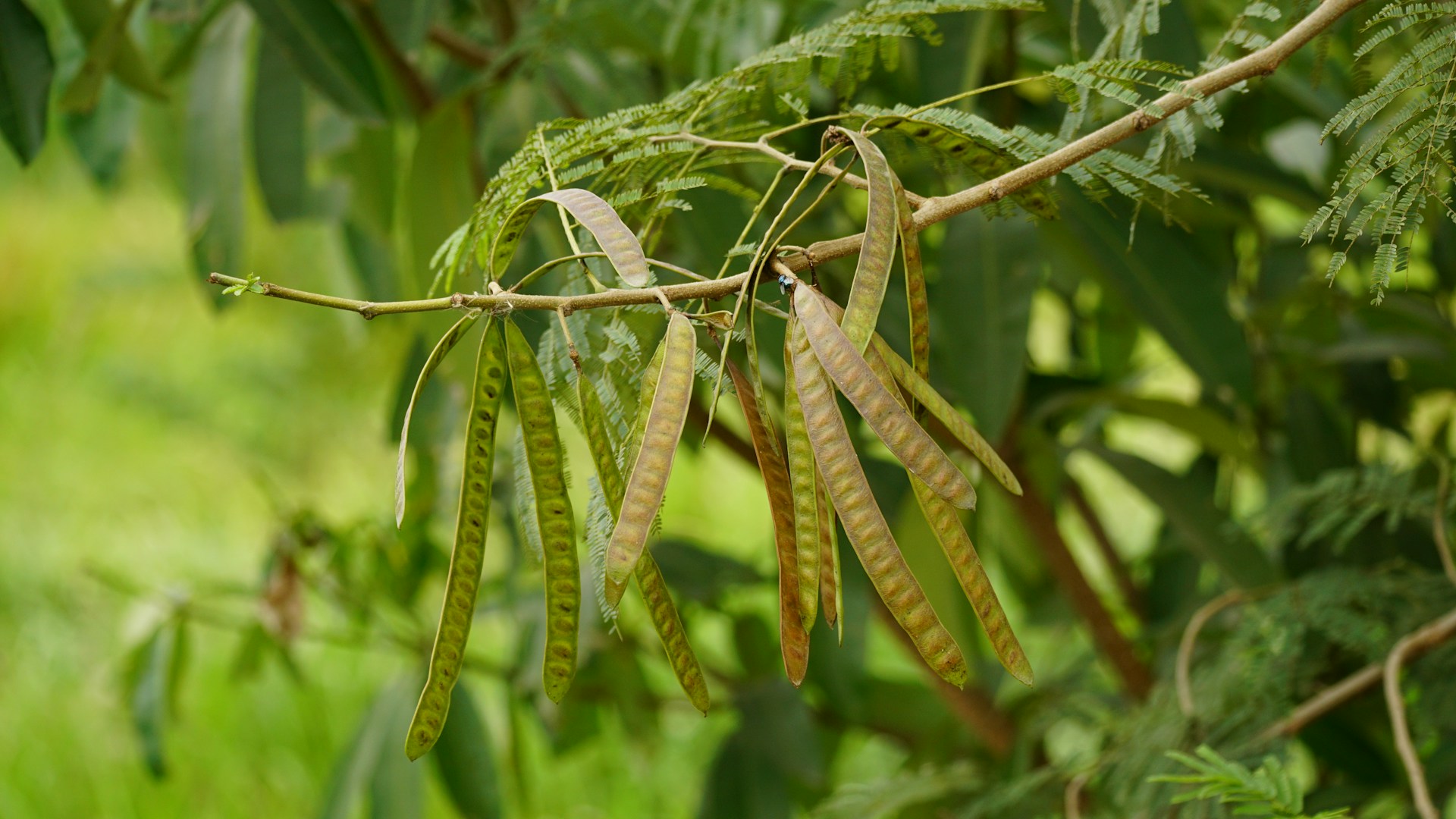
Obtained from the seeds of the carob tree, it’s used to thicken foods and improve mouthfeel.
It is especially helpful when manufacturers want a smoother texture without changing a product’s flavor.
The role of locust bean gum powder can range from frozen desserts to sauces depending on the recipe and the other ingredients. Knowing where it’s most effective can help food producers and recipe developers decide when it makes sense.
Ice Cream and Frozen Desserts
For ice cream makers, texture matters as much as flavor. A recipe that tastes good can be really disappointing if the product is icy, hard, or unpalatably grainy. That’s one of the reasons why locust bean gum powder can be useful in frozen desserts.
Locust bean gum is a hydrocolloid, meaning that it reacts with water and helps control the texture of a food product. In ice cream, it can increase the mix’s viscosity and help limit the formation and growth of ice crystals during freezing and storage. That can lead to a smoother, creamier mouthfeel.
It is often used with other stabilizers, as different hydrocolloids can work better in combination than alone. The amount used also matters. Too little may not improve texture, while too much can make a product too thick or gummy.
The optimum level for commercial products depends on the recipe, processing conditions and the desired texture.
Dairy Products and Plant-Based Alternatives
Cream-based desserts, dairy-free options and yogurt can become less appealing when they separate or have a grainy texture. Locust bean gum helps formulators overcome these challenges by increasing viscosity and leading to a more uniform product.
A stabilizer may help yogurt-style foods achieve the spoonable consistency consumers expect. This can be useful in plant-based products where ingredients such as oat, almond, coconut, or soy bases differ from conventional dairy.
A big advantage is that the locust bean gum used generally does not change flavor much. This means the formulation can emphasize the taste of the main ingredients, rather than adding a noticeable flavor of its own. However, its performance depends on hydration, temperature, and interactions with other ingredients, so processing and formulation need to be tested.
Sauces, Gravies, and Dressings
Sauces and dressings should be thick enough to coat food, but not so thick as to become gloopy. Locust bean gum can help with that balance by retaining water and increasing viscosity.
When preparing salad dressings, a stabilizing ingredient helps keep the texture consistent and prevents ingredients from separating. It can add body to sauces and gravies, and give manufacturers more control over the final consistency.
This application can be useful when the recipe needs a small amount of thickening support without relying on starch alone. Gums behave differently than traditional flour or starch thickeners, and that’s why formulation trials are so important. The final product can vary depending on the heating process, acidity, and other ingredients used.
Baked Goods
Though baking may not be the first use that comes to mind, locust bean gum can also play a role in some baked formulations. Its water-binding and thickening properties can influence food structure and texture, particularly in recipes where moisture control is key.
This could be used in gluten-free products where formulators often need alternative ways to improve texture and structure. Gluten-free doughs and batters may act differently, and some products may be crumbly, dry or difficult to work with.
When included in a formulated design, a hydrocolloid like locust bean gum helps to form a more cohesive texture. It is not a direct substitute for gluten. Starches, proteins, fibers, fats and other binders still play a role in recipe development.
Processed Foods and Specialty Formulations
Beyond familiar categories, locust bean gum can be useful in processed foods where texture, water management, and product stability are key issues. It is available in formulations such as prepared foods, dessert mixes, fillings, and other specialty products.
Its usefulness comes from its ability to change viscosity and interact with water. This helps food developers formulate products with more controlled texture and consistent performance. It can also be used with other hydrocolloids when a formulation calls for a specific combination of thickness, stability, and mouthfeel.
For manufacturers, the goal is not to add a thickener. The ingredient must be compatible with both the formulation and the manufacturing process. Testing is also a must if the product will be frozen, heated, mixed, or stored for a long time.
Choosing the Right Application
The value of locust bean gum is very much a function of its end use. It is not a one-size-fits-all ingredient, and successful applications require attention to dosage, hydration, processing and interactions with other components.
For food manufacturers and recipe developers, the most practical approach is often to start by determining the desired texture. This helps them decide whether locust bean gum powder suits their formulation and whether to combine it with other stabilizers or thickeners.
This plant-based hydrocolloid can help deliver smoother textures, better consistency and improved stability across several food categories when used wisely. Its versatility makes it worth considering whenever water control and texture are central to a recipe’s success.