





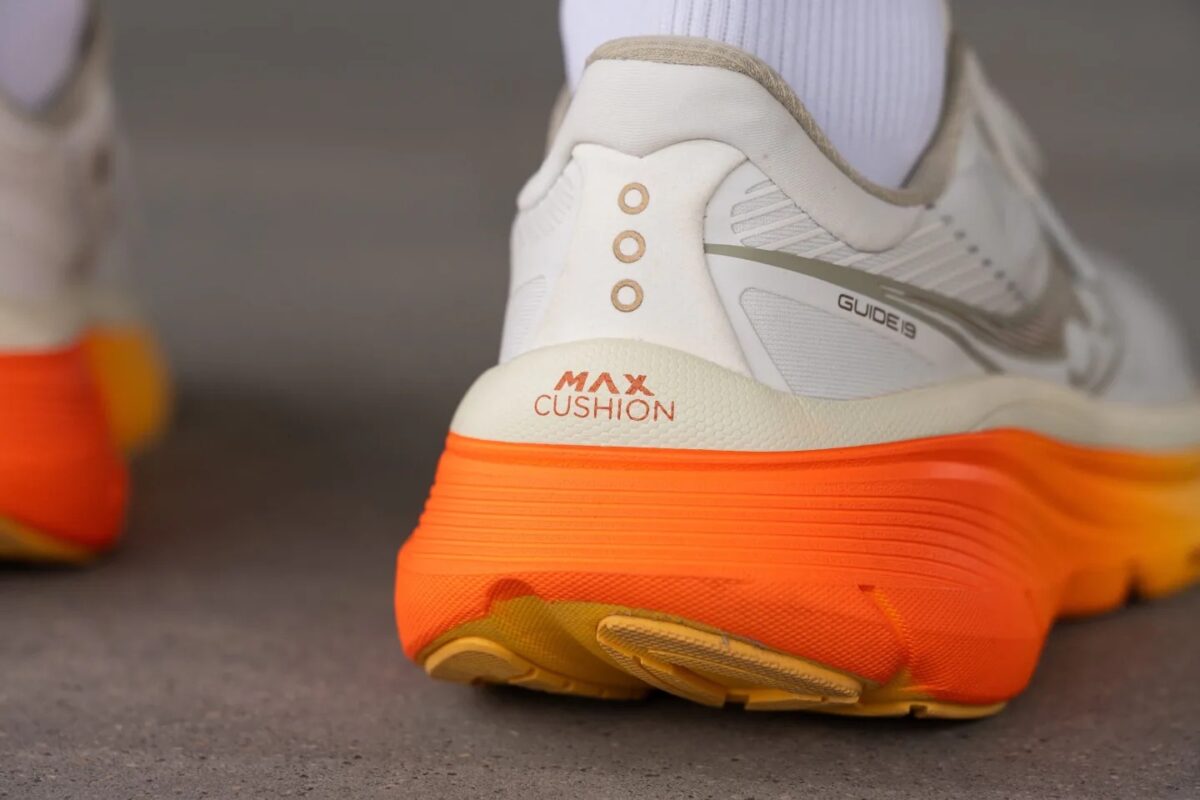

Good running shoes and good everyday shoes used to be two different animals. Now the line’s blurred, and honestly, that’s a win for anyone who spends real hours on their feet. But picking a heritage-style athletic shoe isn’t as simple as grabbing whatever’s on the wall at the mall. You need to know what’s under the hood — midsole cushioning, upper construction, tread compound — or you’ll end up with something that looks great in photos and destroys your arches by week three.
The Anatomy of Heritage Running Shoes: Materials and Cushioning
Most of what makes a “lifestyle sneaker” comfortable today was actually engineered for marathon runners decades ago. Worth knowing before you buy.
Midsole Technology and Shock Absorption
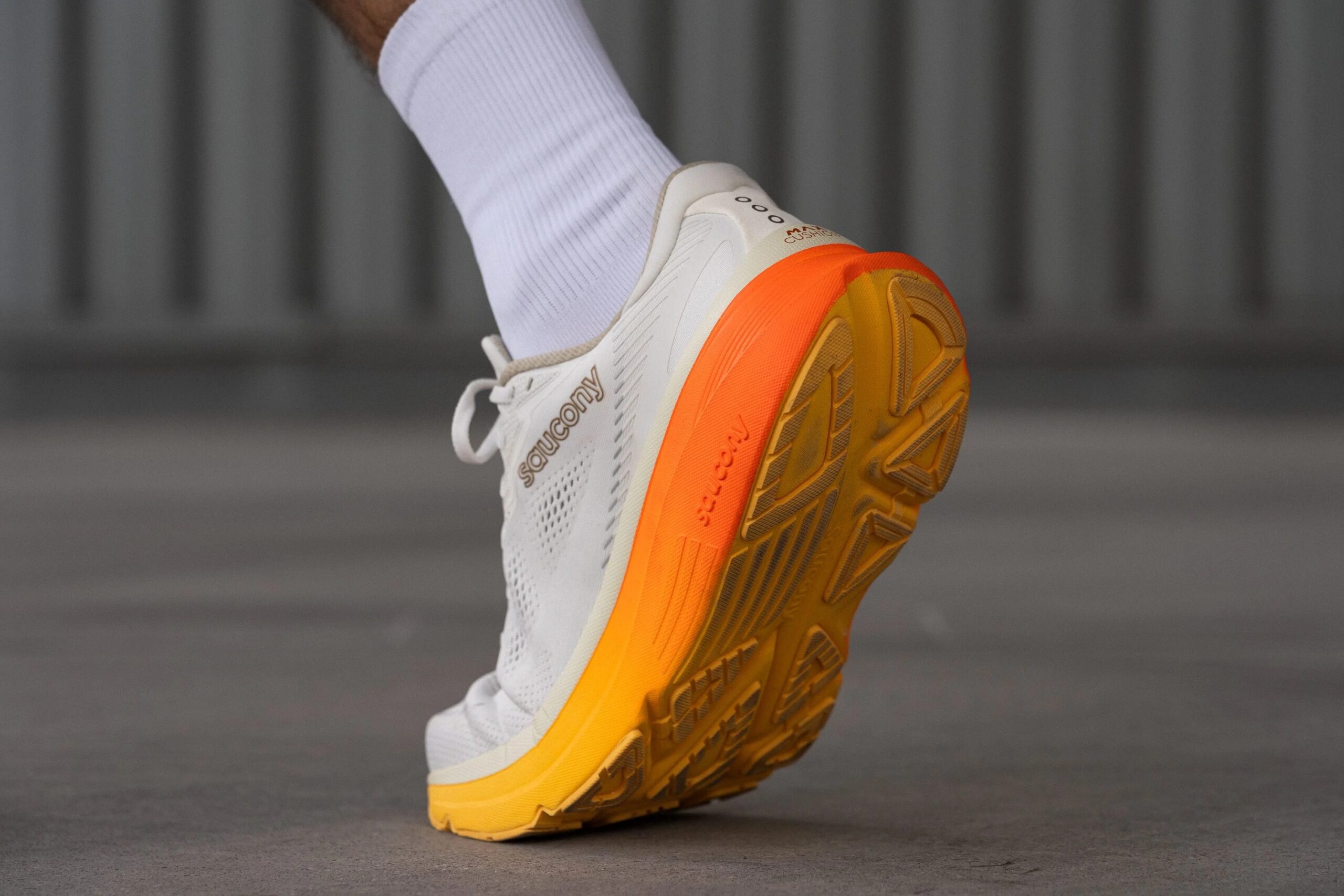
The midsole is where the real engineering happens. EVA foam — the classic stuff — is light and forgiving, soaking up impact every time your heel hits pavement with saucony sneakers. Other brands even step up their game by using TPU frames and varying the density of foams used to create structural elements within the arch. I have seen people make a purchase of “a shoe that felt good in the store,” only to realize three weeks later while walking to the subway that they made a terrible choice. A too soft, non-supported midsole is not going to reveal its problems until your plantar fascia does.
Upper Materials: Balancing Structure and Breathability
A good upper has to do two jobs at once: let your foot breathe and keep it locked in place. That’s a tension, not a checklist. Most quality builds split the difference with:
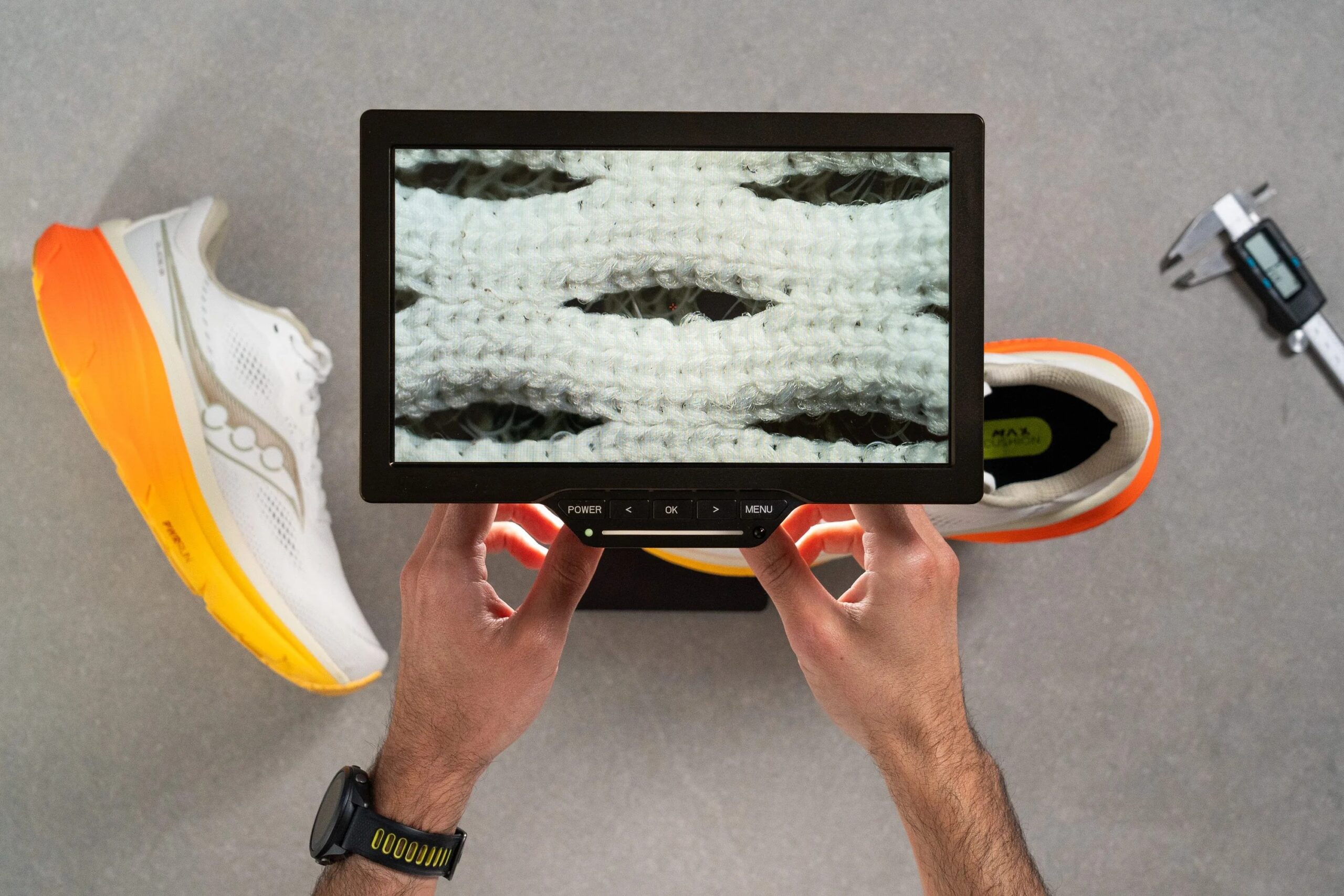
- Tight-weave nylon mesh — sheds heat, keeps weight down, flexes with your forefoot instead of fighting it.
- Suede or leather overlays — reinforcing the mudguard, eyestays, and heel counter where the shoe actually takes a beating.
Get that balance wrong and you either end up with a shoe that sags out of shape by month two, or one so stiff and sealed your foot’s swimming in sweat by lunchtime.
How to Choose and Fit the Ideal Pair for Daily Wear
People shop with their eyes first. I get it — a clean colorway sells itself. But fit mistakes made at the register don’t show up until you’ve already broken the shoe in, and by then it’s too late to return it.
| Feature | Ideal Specification | Practical Benefit |
| Toe Box Clearance | ~0.5 inch (thumb-width) | Prevents toe cramping on impact |
| Outsole Tread | Triangular or multidirectional | Grips wet pavement |
| Heel Counter | Firm, padded internal support | Cuts down on slip and friction |
| Sockliner | Removable, molded EVA/foam | Room for custom orthotics |
- Measure for dynamic foot expansion. Your feet swell over the course of the day — blood flow, weight-bearing, the works. Try to shop at night when you have the chance. You should be able to stand and get about half an inch of space from your longest toe and the end of the shoe.
- Verify arch and heel engagement. The heel counter needs to cup your foot snugly, but it shouldn’t dig into the Achilles. Walk a few steps in the store. If your heel lifts even slightly with each stride, that’s not “breaking in” — that’s the wrong size.
- Evaluate outsole traction patterns. Look for deep lug patterns or triangular tread, and carbon rubber if you can find it. Cheaper rubber compounds wear smooth fast, especially on rough concrete, and once the tread’s gone, so is your grip on wet sidewalks.
Common Mistakes to Avoid and Advanced Care Tips
I’ve seen people run one pair of sneakers into the ground — literally wearing them every single day for a year straight — and then wonder why their feet ache. Rotation matters more than most people think.
Overwearing a Single Pair
Foam needs downtime. EVA midsoles compress under load and take somewhere between 24 and 48 hours to rebound back to full density. Wear the same pair daily and you never give that foam a chance to recover — it just keeps flattening, cell by cell, until the cushioning’s basically gone. Two pairs in rotation. That’s the fix.
Improper Cleaning and Storage Techniques
Throwing sneakers in the washing machine feels efficient. It’s also how you kill the glue bonds holding the shoe together and stiffen up suede overlays permanently. Do it the slower way instead:
- Dry brushing — a soft nylon brush knocks off loose dirt and mud before it sets in.
- Spot cleaning — mild soapy water, a microfiber cloth, dabbing suede rather than scrubbing it like you’re doing dishes.
- Air drying — room temperature, out of direct sun. Radiators and vents will warp the outsole and shrink the upper fabric faster than you’d believe.
Investing in Long-Term Foot Health and Style
Trends come and go. A well-built pair of heritage sneakers, cared for properly, outlasts most of them. Get the fit right, rotate your pairs, keep the cleaning gentle — and you end up with saucony sneakers that still feel good on mile three thousand, not just mile three.