


Picking a degree can feel a bit like trying to choose one show on movie night when everyone wants something different.
You want a path that fits your goals, your schedule, and your budget without turning your life upside down. If psychology keeps popping into your mind, there are some simple ways to figure out whether it makes sense for you. You do not need to be an expert to make a smart choice. You just need the right questions and a clear look at your everyday life.
Why psychology now
Psychology appeals to a lot of people because it feels useful right away. You start noticing how people think, react, and communicate, and suddenly every family group chat feels like a tiny case study. That kind of curiosity can turn into a real career move.
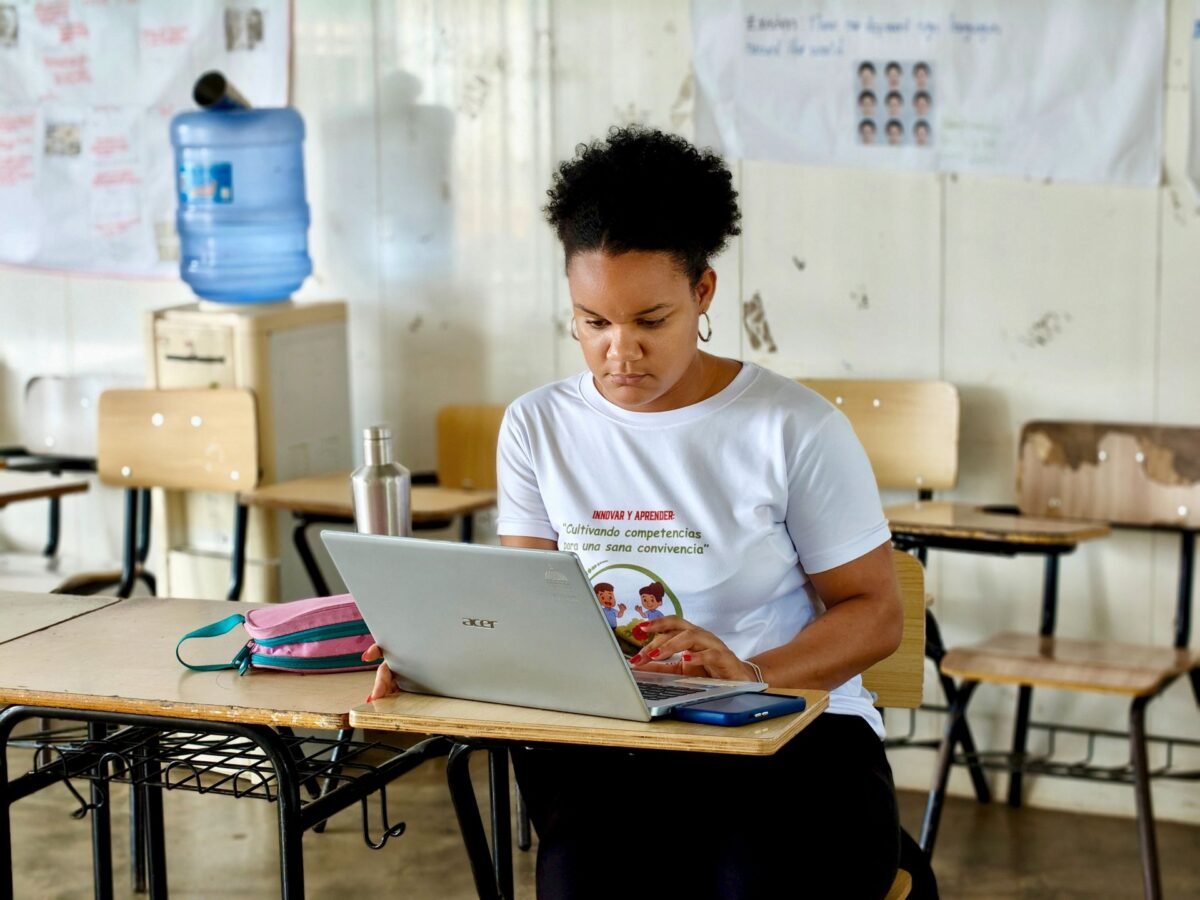
If you want a flexible option while managing work or home life, an online bachelors in psychology degree can make sense. It gives you a way to study human behavior without needing to put the rest of your life on pause.
This kind of degree can be a good fit if you care about helping people, want to build stronger communication skills, or hope to move into a role where understanding others matters. It also works for people who are not fully sure of the final destination yet. Sometimes the first smart step is choosing a path that opens more than one door.

Match school to goals
Before you compare schools, think about what you actually want your degree to do for you. That sounds obvious, but it is easy to get distracted by shiny websites and cheerful campus photos. A nice homepage is not a career plan.
You might want to work in human resources, social services, youth programs, customer experience, or marketing. Psychology can connect with all of those because people skills are job skills. If you are thinking about graduate school later, your bachelor’s choice also matters because you will want solid academic preparation.
Check your weekly schedule
A degree may look great on paper, but your calendar tells the truth. If your week is already packed with work, kids, errands, and the occasional heroic effort to fold laundry, you need a program that fits real life. Look closely at how classes run. Are lectures live or recorded? Do assignments happen on fixed days, or is there some wiggle room? That wiggle room can be golden. It is the difference between feeling challenged and feeling like your laptop is chasing you.
Be honest about study time too. Reading, discussions, and writing all take energy. If you are usually drained by 9 p.m., do not build a plan that depends on your best thinking happening then.
Look past tuition
Tuition matters, of course, but it is only part of the cost picture. A cheaper program is not always the better deal if it takes longer to finish or gives you little support along the way.
Look at the full package. Check for student fees, textbook costs, technology requirements, and whether your previous credits can transfer. If transfer credits count, that could save both time and money. And time is not just money. It is also birthdays, weekends, and your remaining patience.
Support matters more
A strong support system can make a huge difference, especially in an online program. When you are learning from home, you want to know that real help exists beyond a login screen.
Look for advising that feels accessible, not mysterious. Good advisors help you understand course planning, deadlines, and next steps before small issues become giant headaches. Professor access matters too. If you have a question, can you get a useful answer without sending your message into the void?
Tutoring, writing help, and tech support are also worth checking. You may not need all of them right away, but when you do, you will be glad they are there. Career support is another big one. Resume help, interview guidance, and internship advice can turn a degree into a more direct path.
A school can have great classes, but if you feel lost every other week, the experience gets harder. Support is not a bonus. It is part of what helps you finish strong.

Questions worth asking
Before you enroll, ask a few smart questions that bring everything back to real life. You do not need a fancy checklist, just honest answers.
Here are some useful ones:
- How many hours a week do most students spend on coursework?
- Can you attend part time if your schedule changes?
- What kinds of jobs do graduates often pursue?
- Are advisors and instructors easy to reach?
- Can transfer credits shorten the timeline?
- What support exists if you fall behind?
The best degree choice usually feels practical and exciting at the same time. If a psychology program checks both boxes, that is a pretty good sign you are heading in the right direction.