

A massage chair is a powered recliner that takes up real space and may stay in your home for years. This guide helps you match a chair to your body, room, and routine without marketing jargon.
If possible, try a few models in person before you commit. Roller paths feel different from one chair to the next, and what looks impressive online may not suit your back. The notes below explain common features and practical buying checks for Australian shoppers.
A quick checklist before you browse
- Budget band. Think in broad ranges rather than exact figures, since prices shift. Premium full-feature chairs can cost more than US$8,000, according to Forbes Health, which advises matching features to your needs rather than buying on price alone.
- Room and doorway measurements. Note your wall clearance, the reclined footprint, and the width of any doorway the chair must pass through.
- Who will use it. Consider the heights of the main users and whether anyone prefers a gentler massage.
- Support. Check warranty terms, parts and labour coverage, and whether in-home service is available where you live.
Fit and feel first: track shape matters
How far a chair’s rollers travel down your body is described by its track. According to Good Housekeeping, an L-track chair extends massage coverage beyond the lower back to the glutes and hamstrings, while an S-track stops above the buttocks. An SL-track combines the contoured upper path of an S-track with the longer reach of an L-track.
If lower-back and seat tension is your main concern, prioritise L or SL coverage. A current full-feature L-track example cited by the same source lists a 44-inch track length. Specs help, but a short in-person sit is better.
Decoding 2D, 3D, and 4D
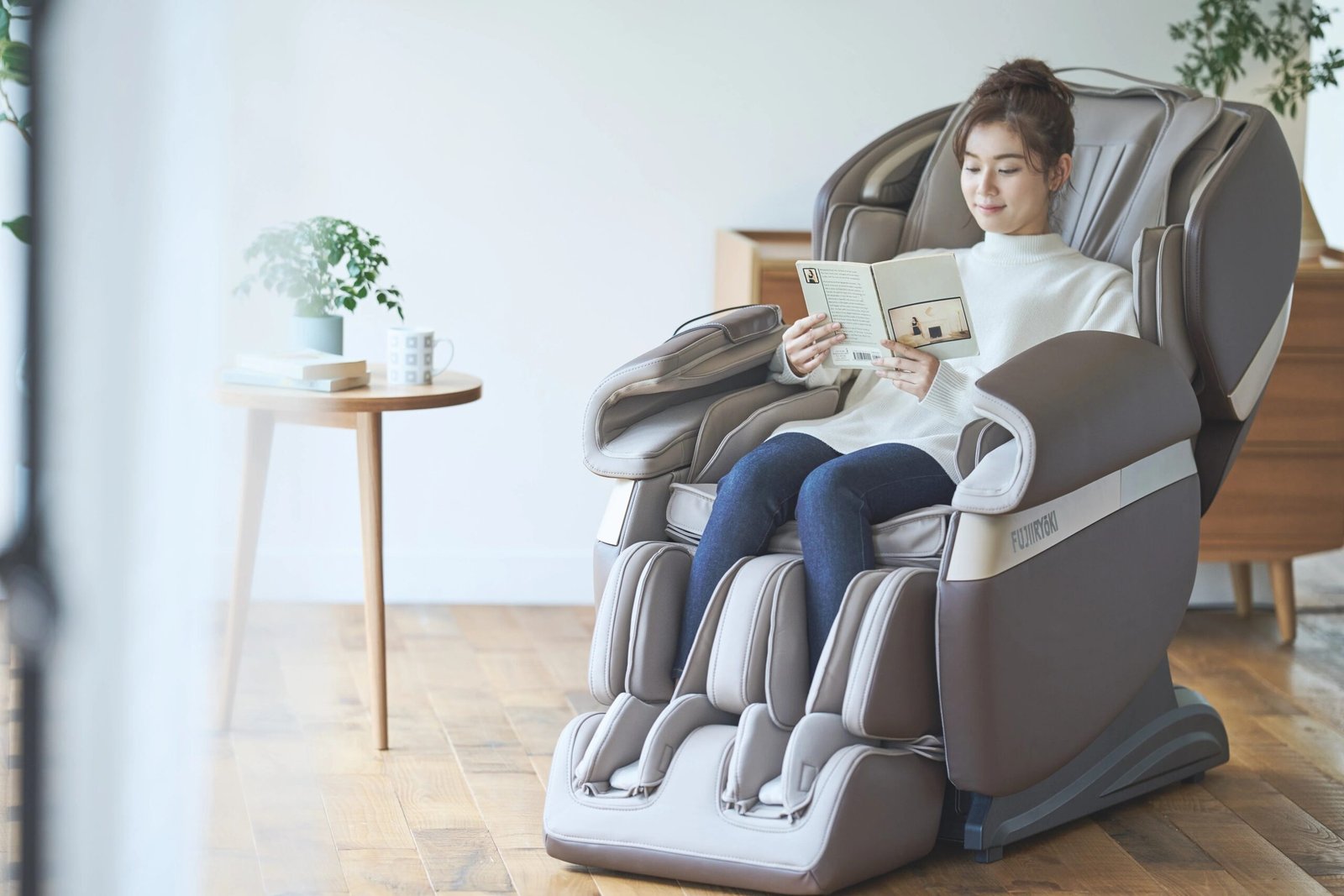
These numbers describe how the rollers move. The step up mainly changes how adjustable and lifelike the massage feels.
- 2D rollers move up, down, and side to side. They can still deliver a relaxing massage.
- 3D adds depth, so rollers can press further in or pull back.
- 4D builds on 3D by adding variable speed and rhythm. Good Housekeeping notes this can create a more human-like massage feel.
If you want a deeper, more responsive massage, 4D is the upgrade to compare. If you mainly want to unwind, a well-made 2D or 3D chair may be enough.
Features that add real value
- Zero-gravity recline. According to Abt’s buying guide, zero-gravity holds your body neutrally and elevates your legs above the heart to reduce load on the spine. Some L-track chairs offer multiple zero-gravity levels.
- Heat. Gentle warmth in the seat or back can make a session feel more comfortable.
- Airbags. These inflate to apply compression around the arms, shoulders, calves, or feet.
- Foot rollers and presets. Built-in programs and remotes or apps let you switch routines quickly.
Space and placement: how to measure
- Wall clearance. Older designs often need about 2.5 feet of rear clearance to recline, according to Furniture for Life, while many space-saving designs need only around 4 inches.
- Footprint. Allow for both the upright and reclined positions. One lab-tested pick from Good Housekeeping measures 30.5 by 63 by 48 inches, listed as height by length by width.
- Doorways and weight. Full-feature chairs commonly weigh between 150 and 300-plus pounds, according to Select Fitness, which affects delivery, placement, and how easily you can move them.
- Power. Plan for a nearby outlet so cords do not stretch across walkways.
Warranty, delivery, and service
Good coverage should spell out parts, labour, the service term, and whether a technician can come to your home. Read the conditions rather than relying on the headline.
For context, OSIM Australia’s terms list a standard warranty of one year from purchase or delivery for massage chairs. Some retailers promote longer labour cover, so check who qualifies, which parts are included, and where the service applies.
As one Australian example, Relax For Life states that its in-home warranty service is valid within 50 km of its Sydney, Melbourne, and Gold Coast showrooms, plus listed areas in New South Wales and Queensland. It also lists a complimentary Lifetime Labour Warranty on massage chairs for purchases from 12 November 2025 onward, within defined service radiuses. Confirm current conditions directly.
Safety and when to check with a clinician
This guide is about comfort and recovery, not medical treatment. If you have a health condition, talk to a clinician before regular use. Forbes Health flags caution for people with conditions such as osteoporosis, those taking blood thinners, people with neuropathy, and anyone with a history of blood clots.
Buy from reputable sellers and register your product. As a reminder that powered seating carries electrical risk, the U.S. Consumer Product Safety Commission published a 2025 recall of electronic gliders that cited a USB module overheating hazard. That example is not specific to massage chairs, but it shows why registration and trusted retailers matter.
Trying it in person in Australia
Specs only tell you so much. A short sit will tell you whether the roller path lines up with your spine and whether the intensity suits you. Where possible, look for a showroom trial, white-glove delivery, and an in-home demonstration.
Australian readers who want to compare Japanese-made models in a showroom can shop the best massage chairs online through Relax For Life and review delivery, setup, and service options before making a decision. Relax For Life lists white-glove delivery, setup, and an in-home demonstration service for Australian buyers, which can be useful if you would rather not handle a full-size chair on your own.

Recent model trends (2025 to 2026)
A few directions are worth knowing as you compare newer chairs. Some models use an assisted body scan to adjust the roller path to your back. Longer tracks continue to extend coverage toward the glutes and hamstrings. Controls have also been refined, with clearer remotes and app-based presets. Treat these as context rather than reasons to pay more by default.
Quick picks by use case
- Small spaces: a space-saving design that needs minimal wall clearance.
- Taller users: an extendable footrest and a longer L or SL track.
- Gentler massage: lower intensity settings paired with airbag compression.
- Deep-tissue feel: 4D rollers with robust depth adjustment.
FAQ
Should I try a massage chair before buying online? If you can, yes. A short showroom trial helps you check roller position, intensity, and comfort before arranging delivery.
What should I measure at home? Measure the upright and reclined footprint, wall clearance, doorway width, and the route from the delivery point to the room.